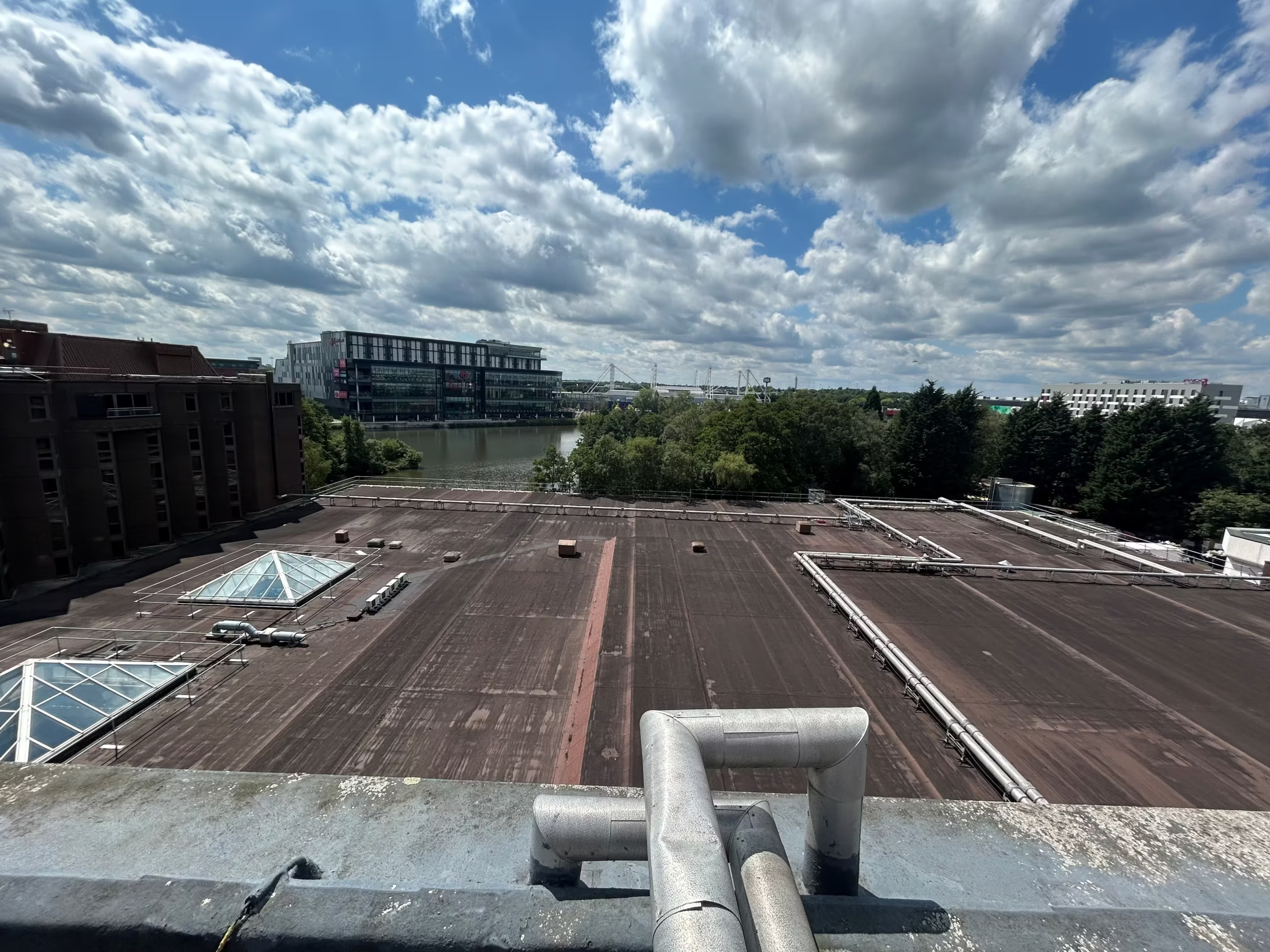
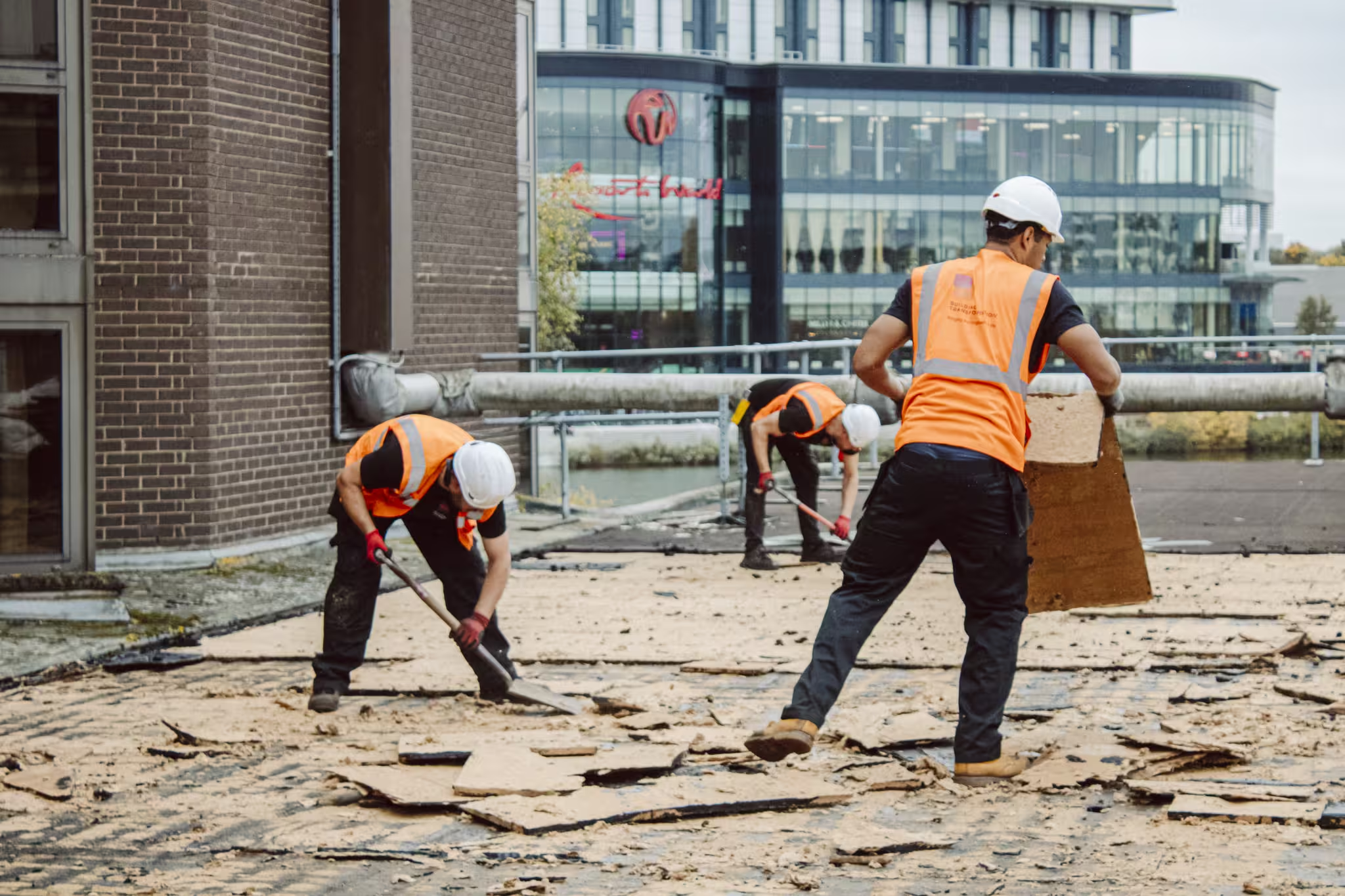
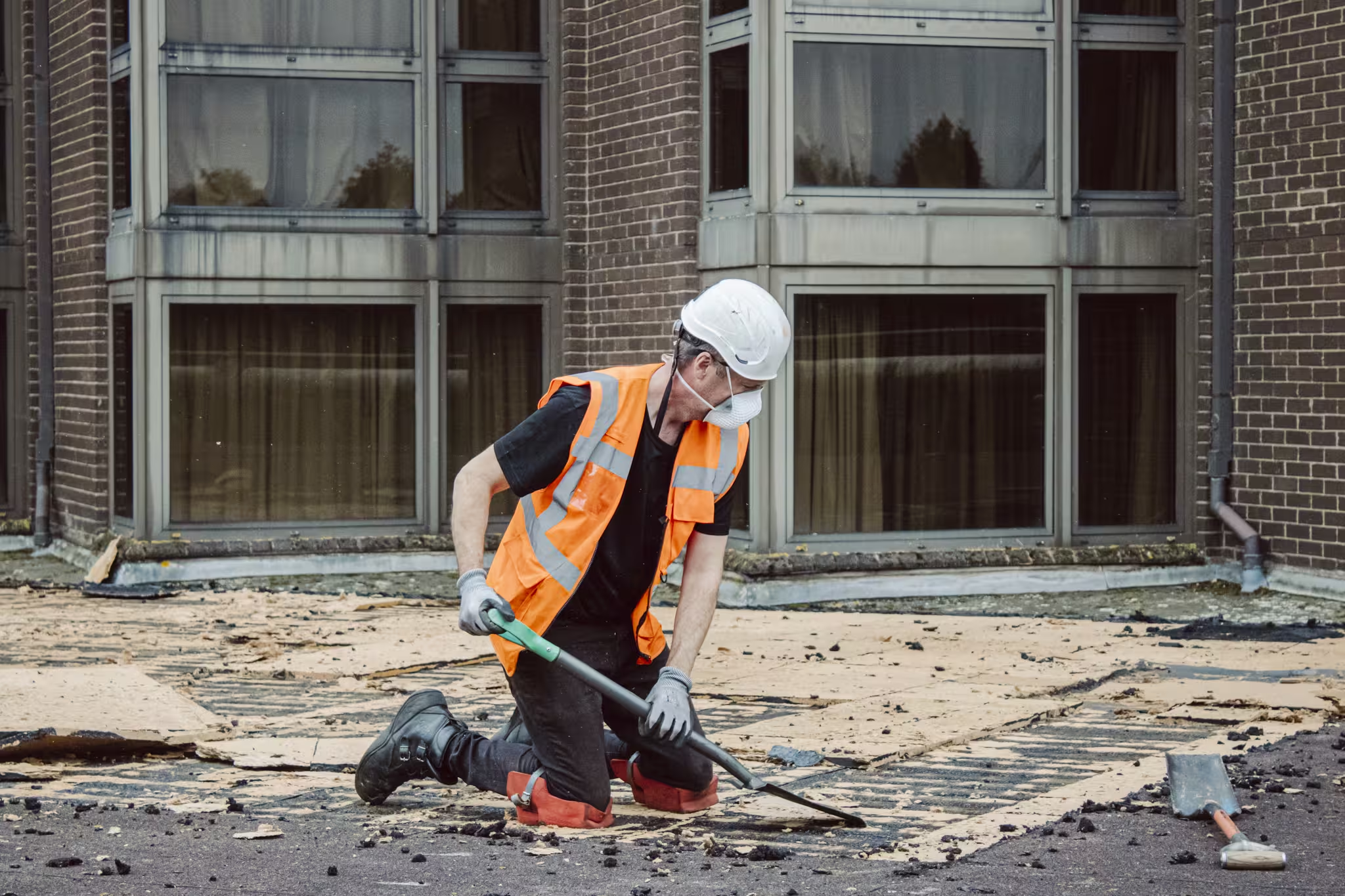
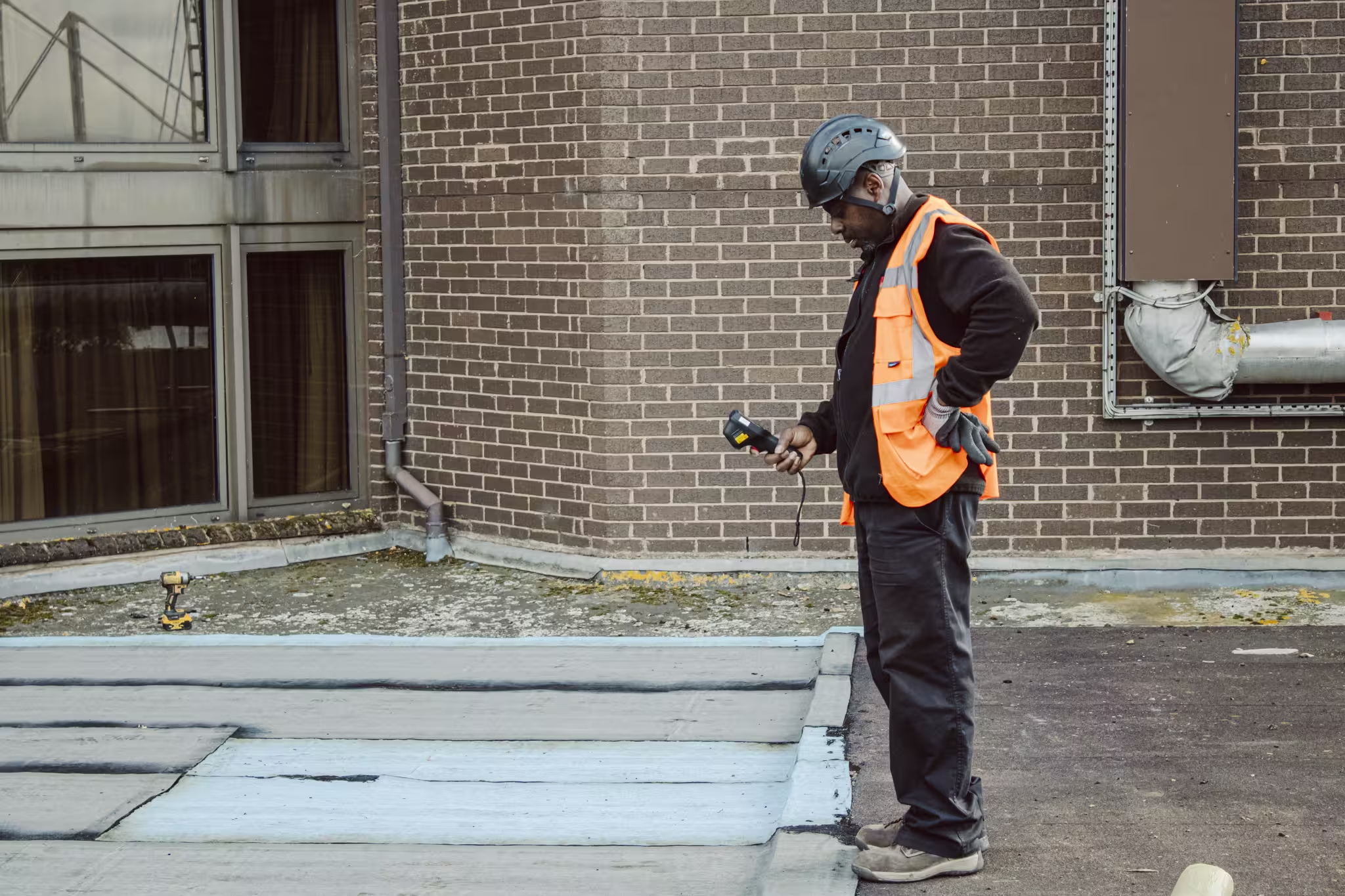
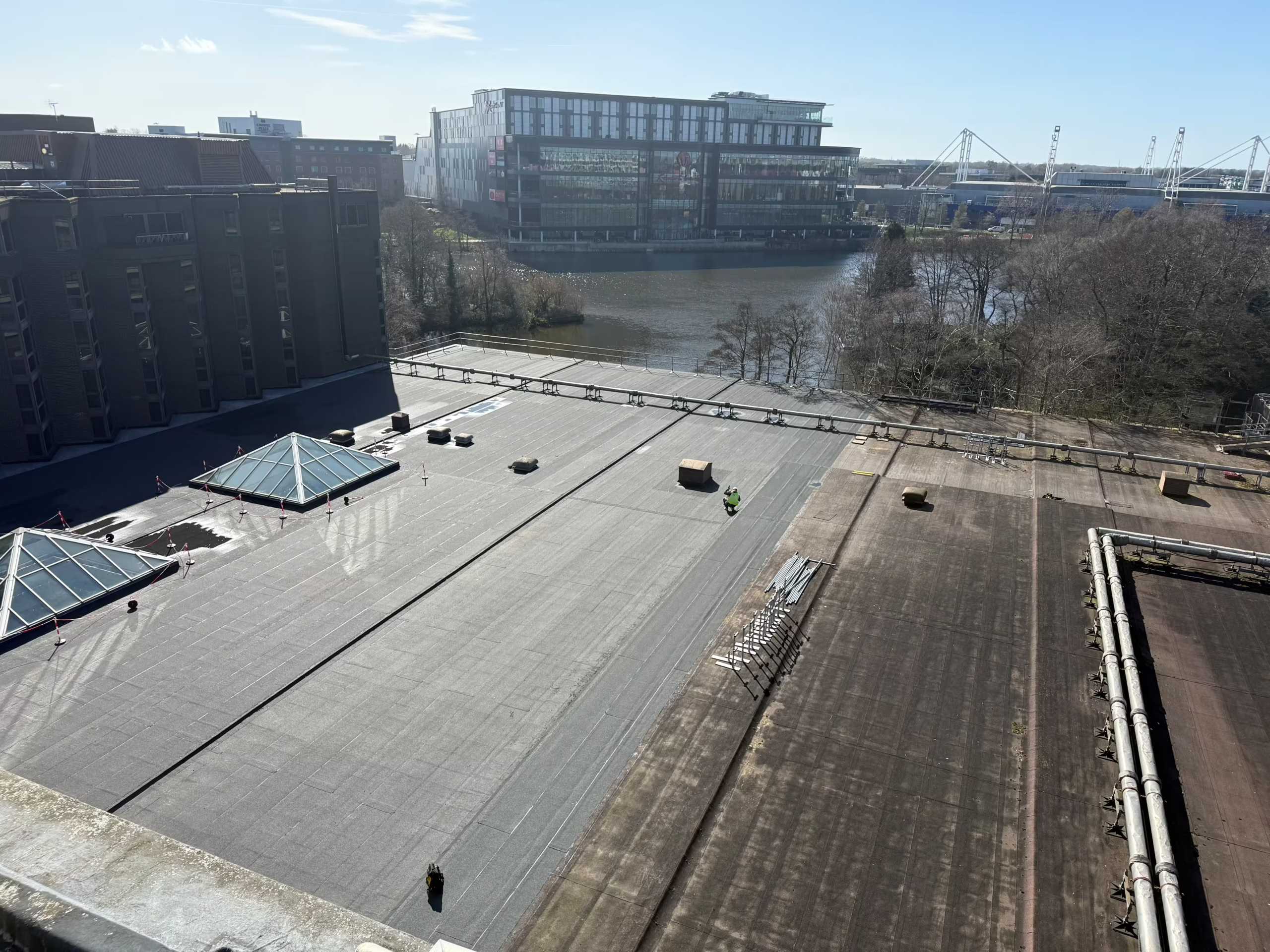
Building Transformation was appointed to deliver the phased flat roof refurbishment and waterproofing upgrade of multiple roofing systems at one of the UK’s largest and busiest conference hotels: The Hilton Birmingham Metropole.
The programme covers three key roof zones: the Main Roof, Lower Roof, and Entrance Roof, and forms the first phase of a broader building envelope refurbishment strategy.
The primary objective is to replace ageing waterproofing systems, enhance thermal efficiency, upgrade detailing for long-term compliance, and ensure the hotel remains fully operational throughout.
The client emphasised the need for a 25-year warrantied hybrid roofing system, improved drainage falls, and upgraded insulation to meet the U-value performance requirement of 0.18 W/m²K, in full compliance with Building Regulations Part L.
Project Scope and Specification
The works involved a full flat roof refurbishment across three key areas of the Hilton Metropole Birmingham – the main conference roof, lower roof, and entrance roof. This included the complete removal of all existing waterproofing materials down to the structural concrete deck, followed by the installation of a new high-performance system designed in accordance with the Langley manufacturer’s specifications and current British Standards.
Main Roof (Phase 1)
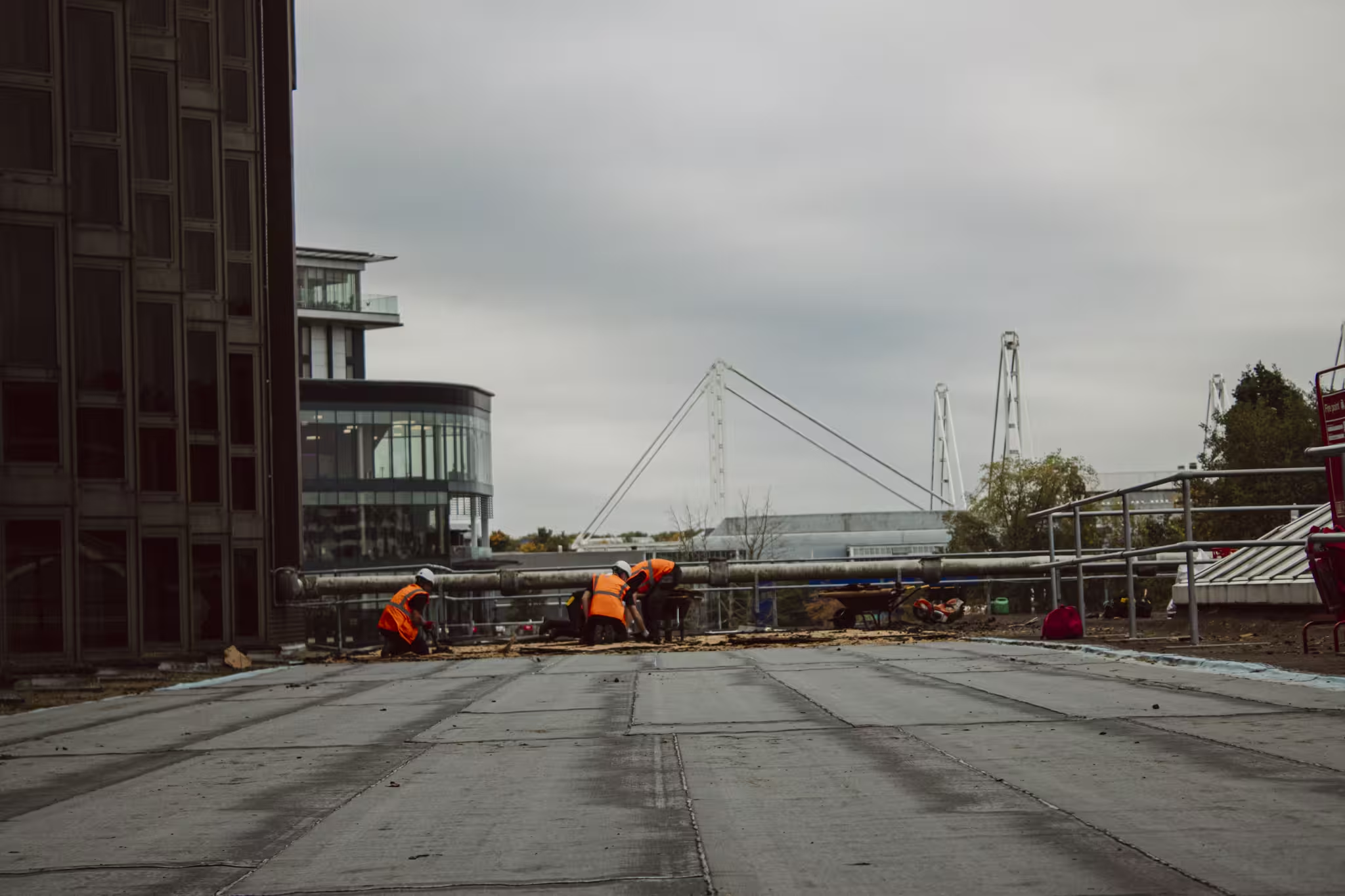
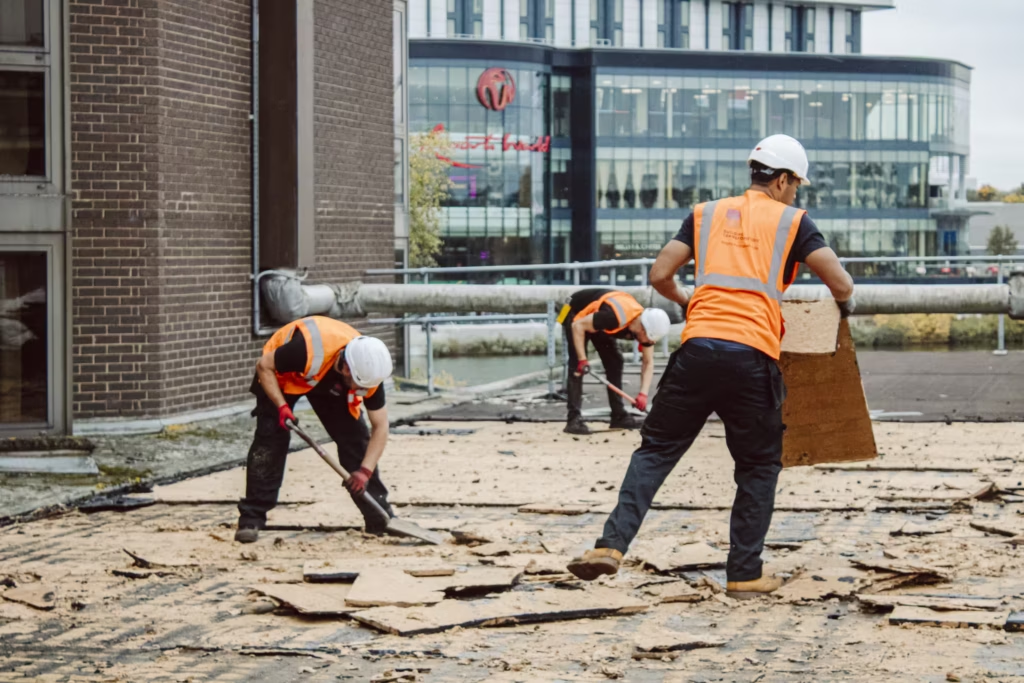
The main conference flat roof was stripped back to the structural deck, removing all existing membranes, insulation, vapour control layers (VCLs), adhesives, and redundant fixings. Once exposed, the deck was prepared and primed, with any visible cracking, ponding, or delamination repaired before installation began.
A new VCL was then installed and integrity tested to ensure airtightness, followed by rigid insulation boards designed to achieve the target U-value. Tapered insulation was incorporated at low points to improve drainage and promote positive falls.
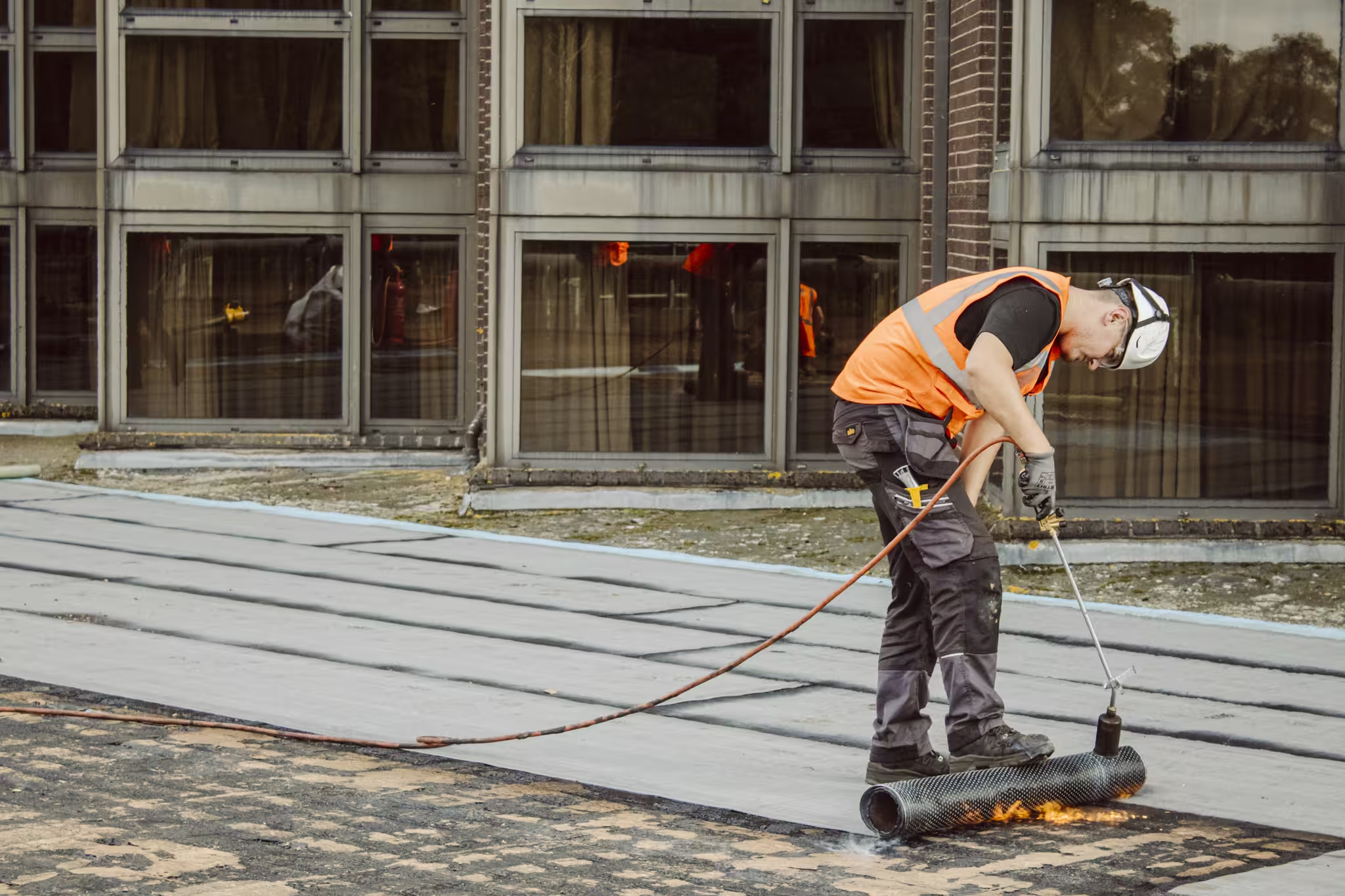
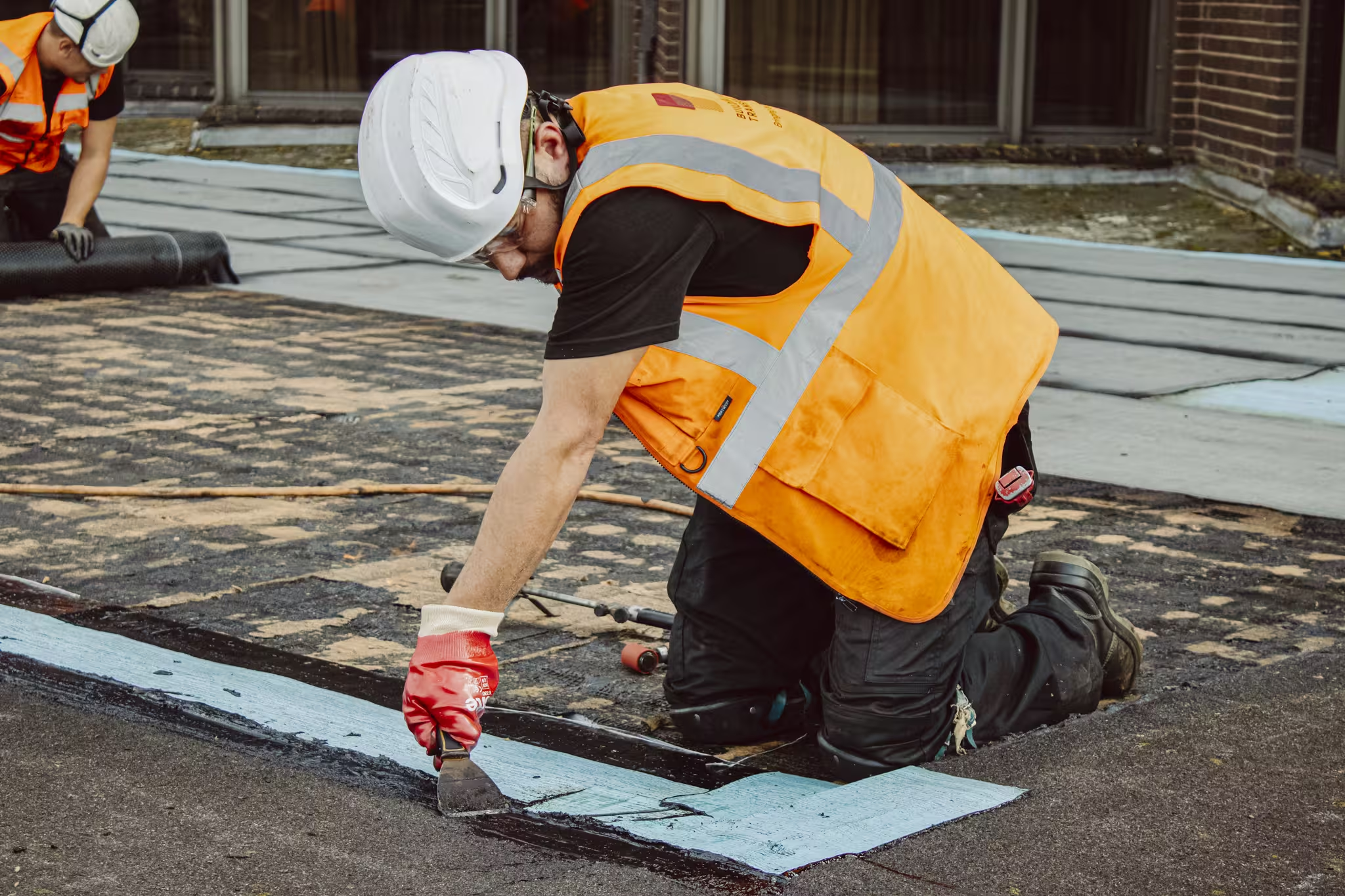
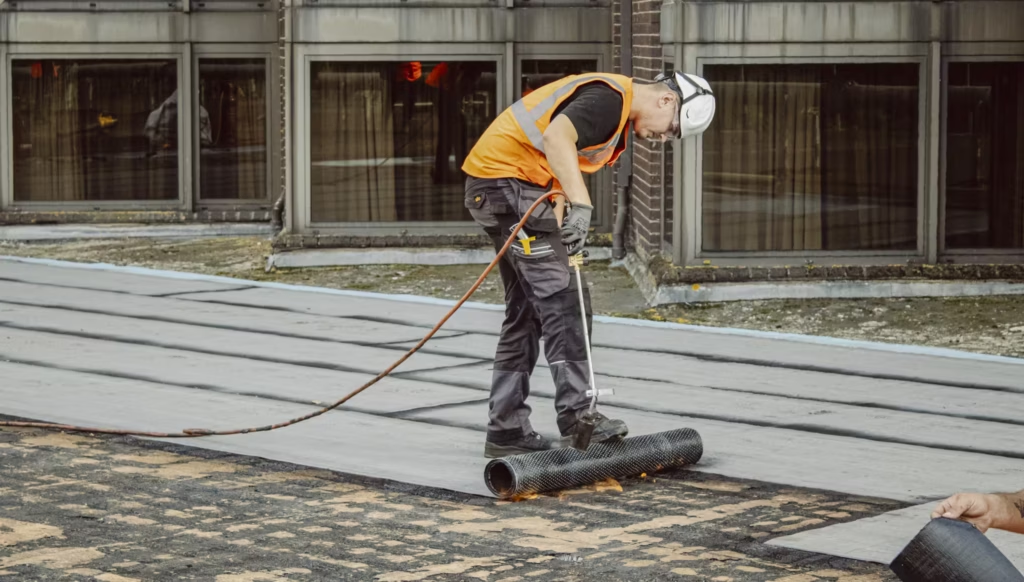
The new hybrid waterproofing system combined torch-on and flame-free felt membranes with liquid-applied polyurethane (PU) and PMMA to complex details, which provided a seamless, fully bonded, and watertight finish. All laps and perimeters were sealed with 150mm upstands for long-term durability.
As part of the GRP refurbishment, the existing encapsulated façade was removed and replaced with new timber boxing (18mm WBP ply/OSB3), fixed to cavity walls and finished with a continuous GRP coating, white GRP trims, and a 50mm drip projection for clean water run-off.
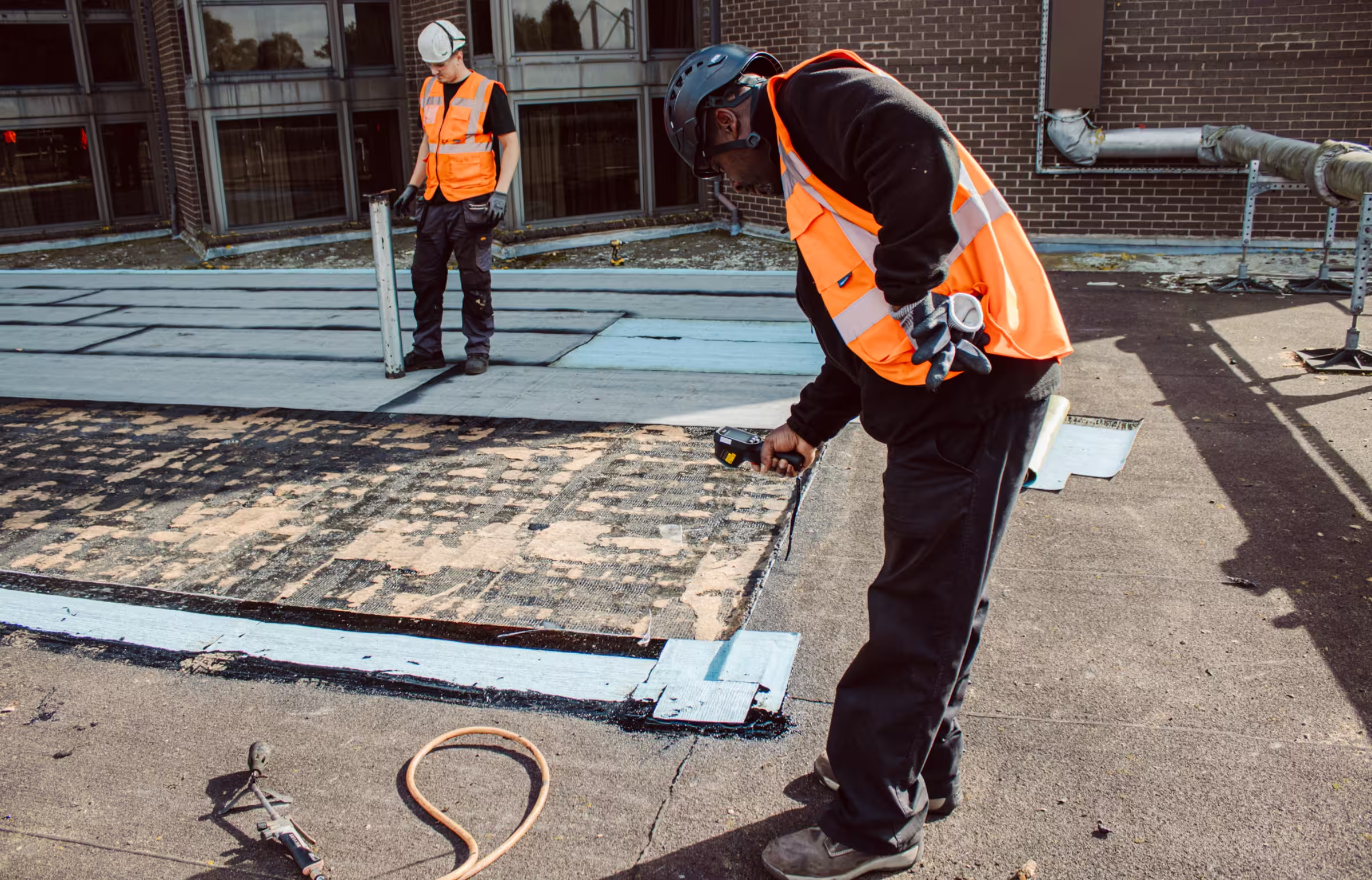
Ancillary works included lantern replacement, vent coordination, upstand adjustments, and the protection of hot water pipework using Big Foot supports and sacrificial waterproofing pads. To verify performance, a full Electronic Leak Detection (ELD) survey was completed by a certified technician upon completion
Lower Roof
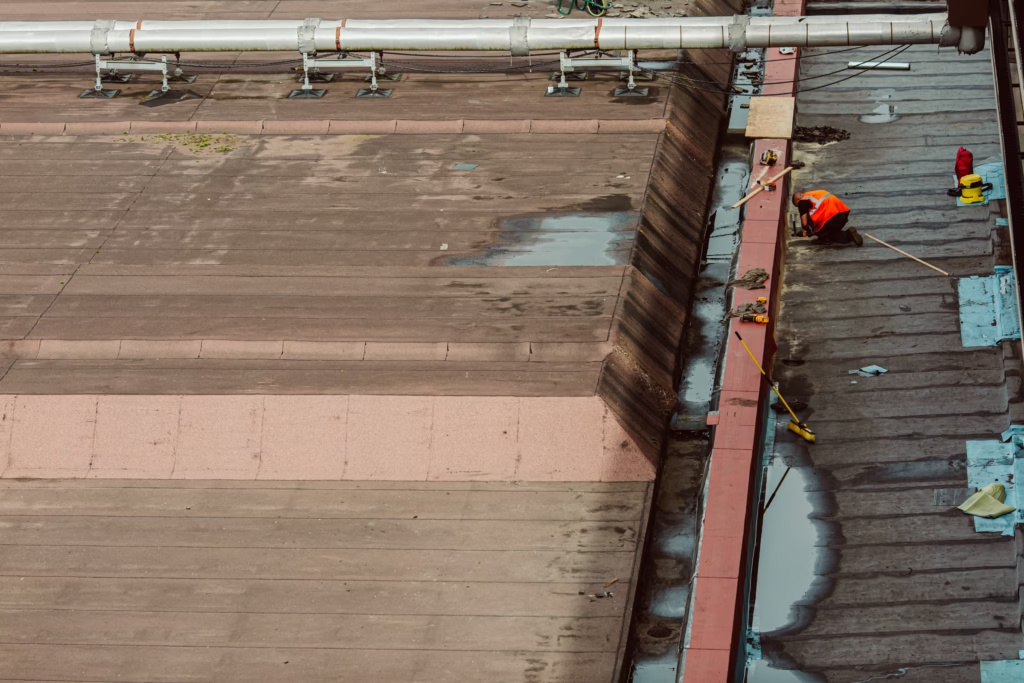
The lower flat roof refurbishment involved stripping the roof back to the structural deck, with a new tapered insulation scheme designed to achieve a minimum 1:80 drainage fall. New refurbishment outlets with insulation sumps were introduced to enhance water flow.
A new GRP transition detail was built between the main and lower roofs, ensuring a watertight junction with the upgraded substrate and laminate system.
Cladding works included the removal and reinstatement of panels at key interfaces, with new Z-trims and cover flashings to maintain continuous weatherproofing.
Windows and barriers were upgraded, replacing fabricated barriers with prefabricated aluminium or steel units and installing new thermally efficient windows, each with a minimum 150mm upstand above the finished waterproofing. Masonry and vent adjustments were made to raise the DPC brickwork and maintain appropriate clearances above the roof line.
The section concluded with a full ELD survey across all finished surfaces.
Entrance Roof
At the entrance, the existing flat roof system was removed down to the base substrate and disposed of in accordance with the site waste management plan. The new build-up included a primed substrate, new VCL, rigid insulation, and a high-performance waterproofing system designed to achieve a U-value of 0.18 W/m²K.
The GRP façade detailing was upgraded to integrate seamlessly with the higher roof level, ensuring full continuity and accommodating thermal expansion and ventilation requirements.
Technical and Logistical Challenges
Live Environment and Access
Executing a technically complex flat roof refurbishment over an operational hotel demanded detailed planning and communication. Access was maintained via mobile man anchors, scaffold structures, and ramped walkways, allowing operatives to work safely across multiple roof levels without affecting the building’s daily operations or guest experience.
Daily and weekly work areas were agreed in advance with the client, and strict noise management protocols were implemented, with louder works restricted to post-9 am hours. The team maintained continuous dialogue with hotel management to coordinate deliveries, material movements, and welfare use in shared spaces.
Programme Adaptability
With the hotel operating at near full occupancy, flexibility was critical. Works were sequenced to allow out-of-order progress across roof zones, enabling continuity despite weather variations, service constraints, or concurrent contractor activity.
Refurbishment Complexity
The existing waterproofing layers had deteriorated significantly, necessitating complete removal and substrate remediation before the new system could be installed. Integrating multiple materials, including felt, PU, and PMMA, required precise workmanship to achieve a unified, warrantable system.
This hybrid approach offered the resilience of torch-on membranes across large areas while using liquid-applied systems at intricate junctions, upstands, and penetrations to ensure complete watertight integrity.
Quality Assurance and Compliance
The project was executed in accordance with the following standards and guidance:
- BS 6229:2018 – Flat Roofs with Continuously Supported Flexible Waterproof Coverings
- BS 5250 – Control of Condensation
- Approved Document Part L – Conservation of Fuel and Power
- Construction (Design and Management) Regulations 2015 (CDM)
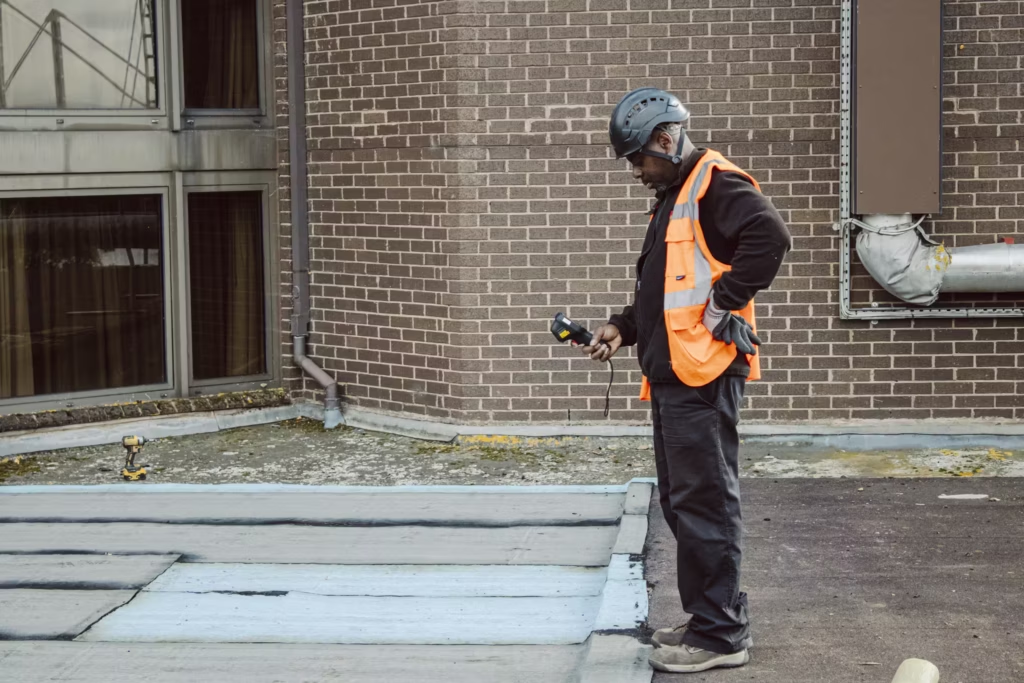
All of our operatives are IRATA– or SMSTS-qualified, and works are supervised by a full-time, competent black-hat foreman. Every installation stage is photographically recorded and subject to Langley system inspections and on-site quality audits.
Outcomes
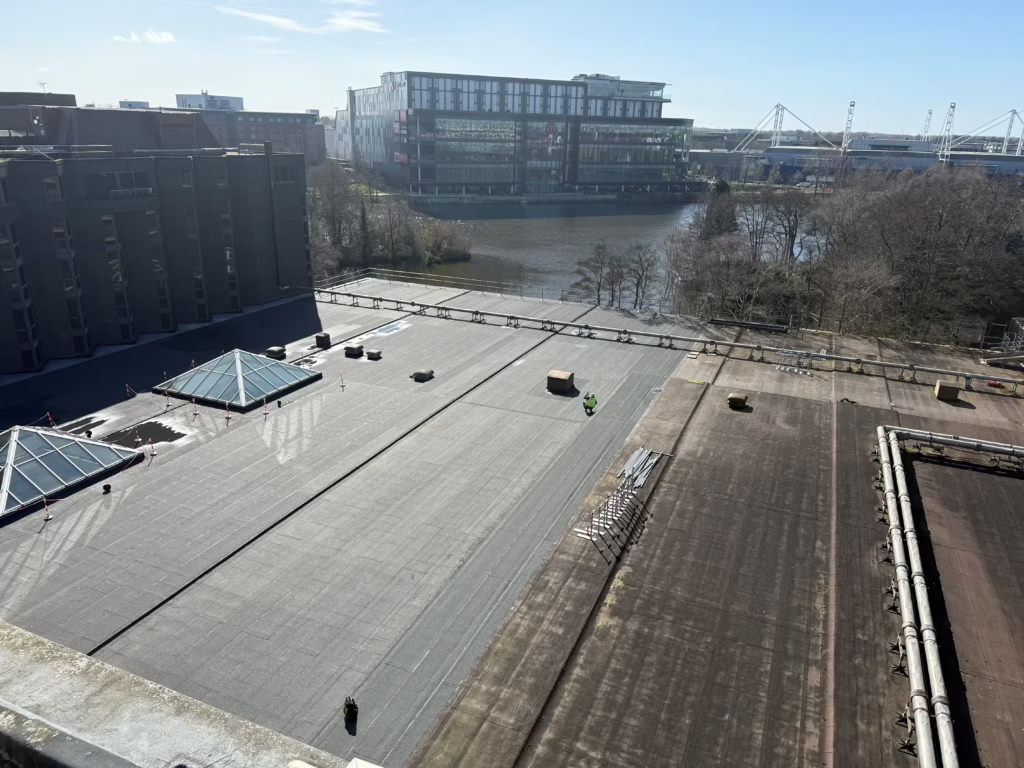
The Hilton Birmingham Metropole roof refurbishment project demonstrated our capacity to deliver complex, high-specification roof refurbishments in live environments by combining technical precision with operational sensitivity.
- Over 1,500m² of roofing systems were replaced or upgraded across three roof levels.
- Enhanced waterproofing integrity, improved insulation performance, and long-term compliance with building energy standards were achieved.
- The hybrid roofing specification ensured durability, flexibility, and reduced maintenance demands over a 25-year lifespan.
The project ensures long-term building protection, improved thermal performance, and a full manufacturer’s warranty, setting a benchmark for future hotel and commercial roof refurbishment programmes.