It is easy to become complacent after a long spell of warm, dry weather. If there are no obvious leaks or signs of deterioration, it can feel as though your building envelope is performing exactly as it should.
But prolonged heat can place its own stresses on building fabric.
Much of the UK’s existing building stock was designed around the need to retain heat during cooler conditions, rather than the increasingly high summer temperatures we are now experiencing. As temperatures rise, building materials are subjected to greater thermal movement, while façades, roofs, sealants and other external components must withstand prolonged exposure to heat and UV.
And now change is on its way.
The evenings are starting to draw in, and the Met Office is warning that this year’s unprecedented El Niño could further increase the likelihood of wetter, stormier conditions across the UK this autumn and early winter.
Now is the best time to check for building envelope defects to avoid disruption and costly repairs once the weather has completely turned.

What can prolonged heat do to building fabric?
Building materials naturally expand and contract as temperatures change.
Materials such as concrete, masonry and metal respond differently to heat, creating small movements between adjoining components and across the building envelope. Sealants, membranes, coatings, glazing systems and fixings must accommodate that movement while continuing to perform their intended function.
In many cases, materials will contract again as temperatures fall. But repeated cycles of expansion and contraction can gradually contribute to deterioration, particularly where materials are already ageing or interfaces are beginning to fail.
Over time, thermal movement can contribute to:
- Fine cracking in masonry, render and concrete
- Deterioration or separation of sealants
- Movement around façade and glazing interfaces
- Stress around roof details, joints and penetrations
- Deterioration of coatings and exposed finishes
- New pathways through which moisture can penetrate the building envelope
These defects may not immediately result in an obvious problem during a prolonged dry spell.
It is often the arrival of autumn and winter weather that reveals them.
Persistent rain, strong winds, lower temperatures and repeated wetting can turn relatively minor weaknesses into water ingress, internal damage and reactive maintenance issues.
Acting now could prevent unexpected disruption and expense later in the year.
Here are five areas worth checking.
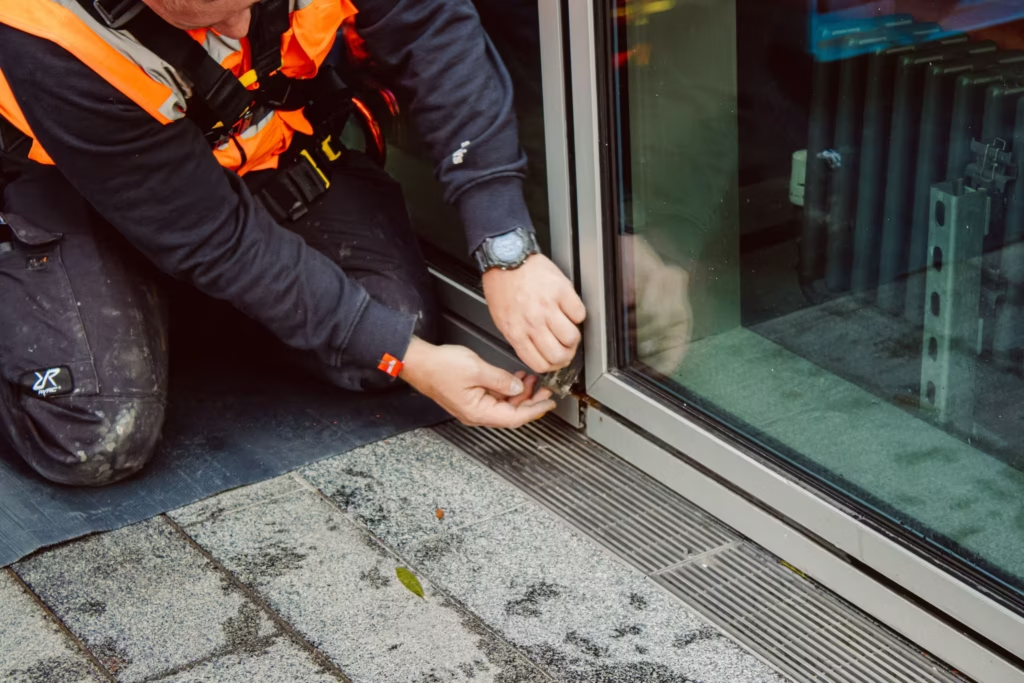
1. Degraded Façade Sealants and Movement Joints
Sealants perform an important role in maintaining a weathertight façade while accommodating movement between different components.
They are also one of the areas particularly susceptible to the effects of temperature change.
Repeated heating and cooling require sealants to expand and contract. As materials age, exposure to heat, UV, weather and building movement can cause them to lose elasticity, become brittle, crack, shrink or separate from adjoining surfaces.
After a particularly hot summer, look for:
- Cracked, split or brittle sealant
- Gaps between sealant and adjoining materials
- Shrinkage or loss of elasticity
- Separation at the edges of joints
- Previous patch repairs beginning to deteriorate
- Staining or signs of moisture around façade joints
Once a joint is compromised, autumn rain – particularly wind-driven rain – has a potential route into the building envelope.
Many of these defects occur at high level and can be difficult to assess accurately from the ground. Our façade inspection and maintenance services enable defects to be inspected at close range, photographed and mapped so that remedial works can be prioritised.
Where deterioration is widespread, planned sealant replacement can also provide a more effective long-term solution than repeatedly patching individual areas as they fail.
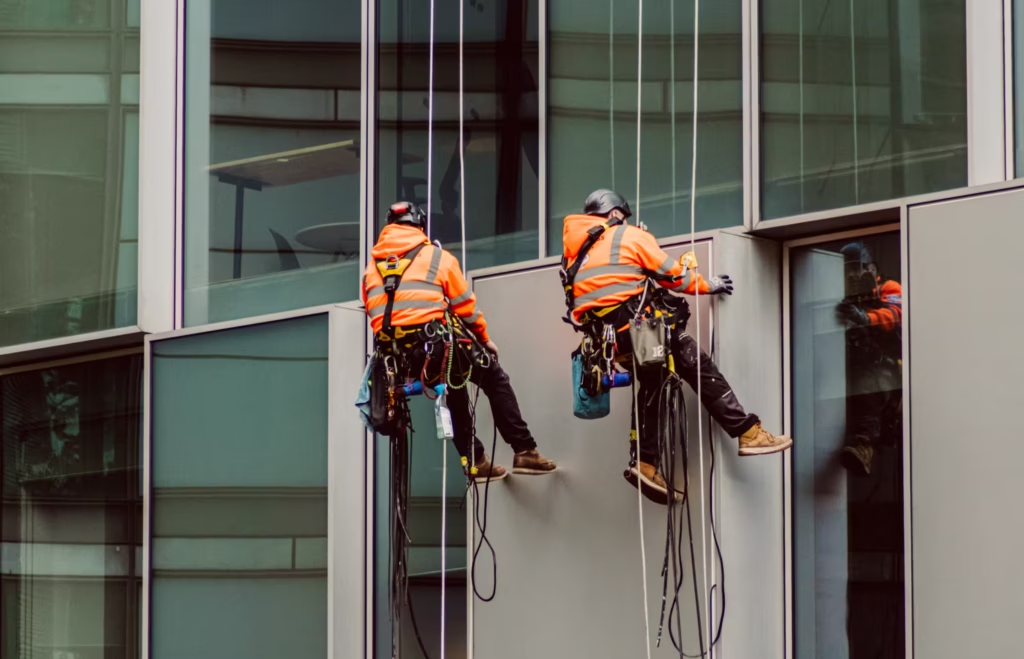
2. Failing Curtain Wall and Glazing Gaskets
Curtain walling contains multiple interfaces between glass, aluminium framing, gaskets, pressure plates, sealants and other components.
All these materials respond differently to temperature change.
During periods of prolonged heat, metal framing can expand while gaskets and sealants are repeatedly compressed and stretched. In ageing systems, this can exacerbate existing deterioration or reveal areas where components are already beginning to lose their ability to accommodate movement.
Gaskets can shrink, harden, become displaced or pull away from corners and interfaces.
Warning signs include:
- Visible gaps around glazing units
- Loose or displaced gaskets
- Shrinkage at gasket joints and corners
- Deteriorated perimeter sealants
- Internal draughts
- Intermittent water ingress
- Staining around windows or internal finishes
Again, the problem may not become apparent until prolonged or wind-driven rain arrives.
Water ingress through curtain walling can also be difficult to diagnose because the point where water appears internally may be some distance from where it entered the façade.
Our curtain walling, gasket, mullion and sealant maintenance services combine specialist access, investigation and remedial works to help identify deterioration and determine an appropriate repair strategy.
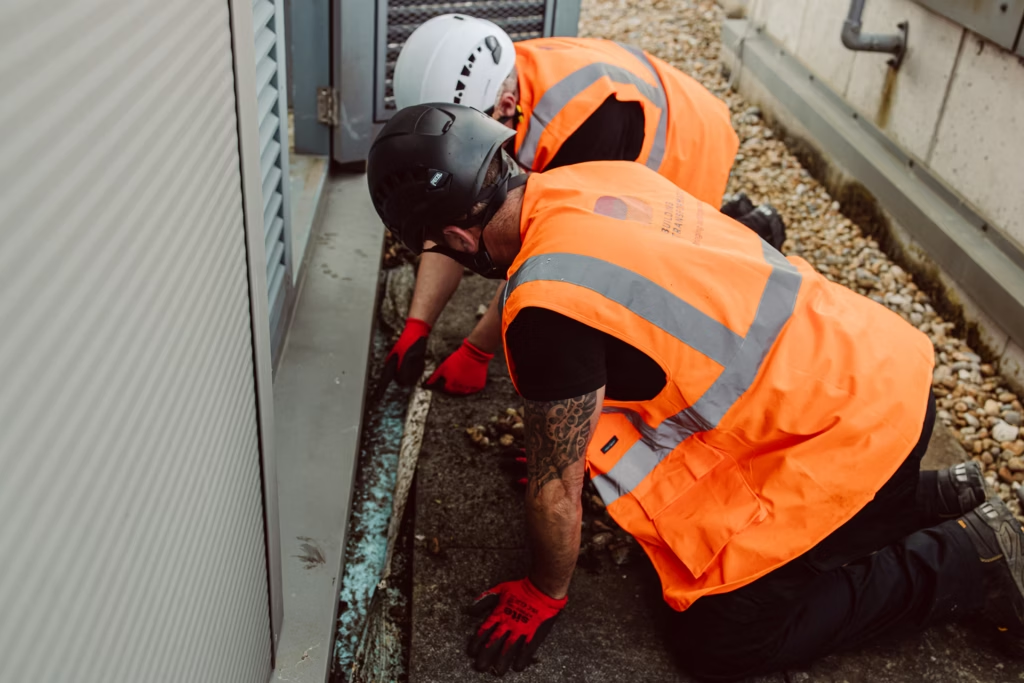
3. Damaged Roof Flashings, Penetrations and Edge Details
Roofs experience some of the greatest temperature fluctuations across the building envelope.
Dark roof surfaces and metal components can become particularly hot during prolonged sunshine before cooling significantly overnight. Different materials expand at different rates, placing additional movement around joints, interfaces and fixings.
As a result, it is worth paying particular attention to the details rather than just the main roof covering.
Vulnerable areas include:
- Flashings
- Parapets and perimeter details
- Upstands
- Roof penetrations
- Copings and edge metal
- Plant bases
- Rooflights
- Changes in roof level
- Junctions between different materials
Small splits, loose flashings, failed seals or deteriorated membrane details may remain relatively inconspicuous while conditions are dry.
Once prolonged autumn rain arrives, however, they can provide a route for water into the roof build-up.
And the visible location of an internal leak should not automatically be assumed to identify the roof defect.
Water can track beneath roof finishes and through the building construction before appearing internally, which is one reason repeated local patch repairs do not always resolve persistent leaks.
Our specialist roof leak investigations are designed to identify the source of water ingress and the underlying defect before repairs are specified.
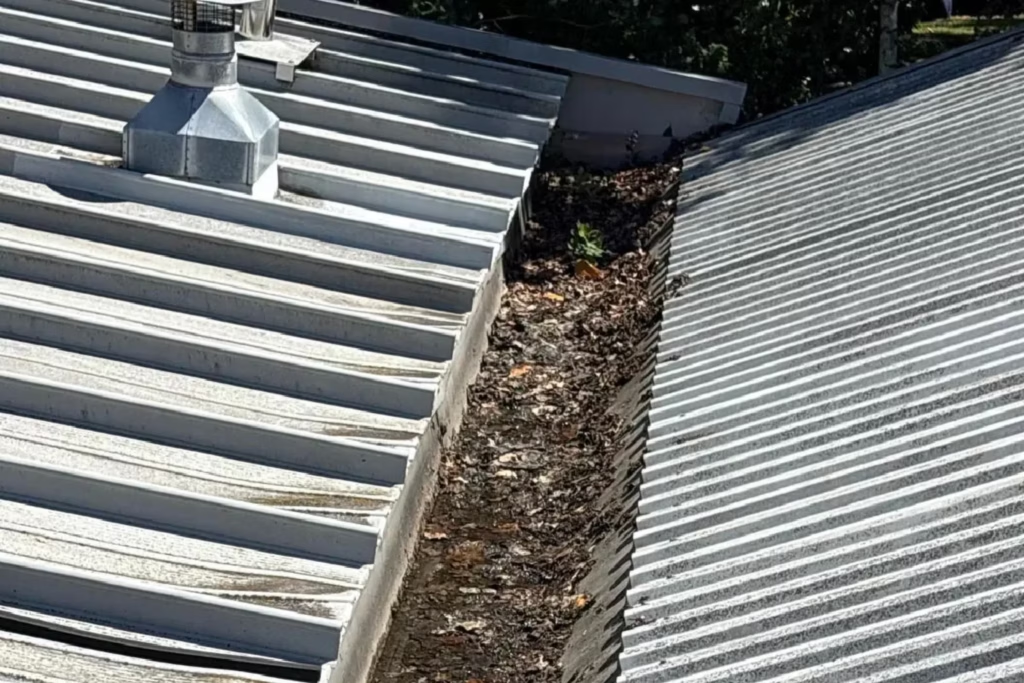
4. Blocked or Compromised Roof Drainage
After an unusually dry summer, roof drainage can be easy to forget.
But gutters, outlets, scuppers, valleys and internal drainage systems need to be ready to cope when rainfall returns.
Leaves, vegetation, moss and other debris can accumulate in drainage areas, while damaged outlets, deteriorated gutters or poor falls may remain unnoticed until they are tested by sustained rainfall.
Potential consequences include:
- Ponding water on flat roofs
- Gutters overflowing onto façades
- Water backing up around roof details
- Saturation around vulnerable interfaces
- Damp and staining
- Accelerated deterioration of roof finishes
- Water ingress during heavy rainfall
The change from prolonged dry weather to heavy rainfall is therefore a good point at which to inspect and clear high-level drainage.
Regular inspections, gutter cleaning and minor maintenance can also form part of a wider Building Envelope Maintenance Programme, helping facilities, building and estate management teams identify defects before they result in emergency callouts.
5. Cracked Masonry, Concrete and Façade Finishes
Thermal movement is particularly relevant when assessing masonry, render and concrete following periods of high temperatures.
Materials expand as they heat and contract as they cool. Where movement is restrained, or different materials meet, stresses can develop within the building fabric.
Over repeated cycles, this can contribute to fine cracking or exacerbate defects that were already present.
Look for:
- New or widening hairline cracks
- Cracking around interfaces and openings
- Open mortar joints
- Spalling brickwork or concrete
- Loose or hollow-sounding render
- Rust staining
- Exposed reinforcement
- Previous repairs beginning to fail
Cracking matters because it can create a pathway for moisture.
Once rain penetrates through cracks or damaged surfaces, repeated wetting and colder winter temperatures can accelerate deterioration.
Spalling concrete warrants particular attention where deterioration has exposed reinforcement. Once moisture reaches embedded steel, corrosion and expansion can contribute to further sections of concrete breaking away.
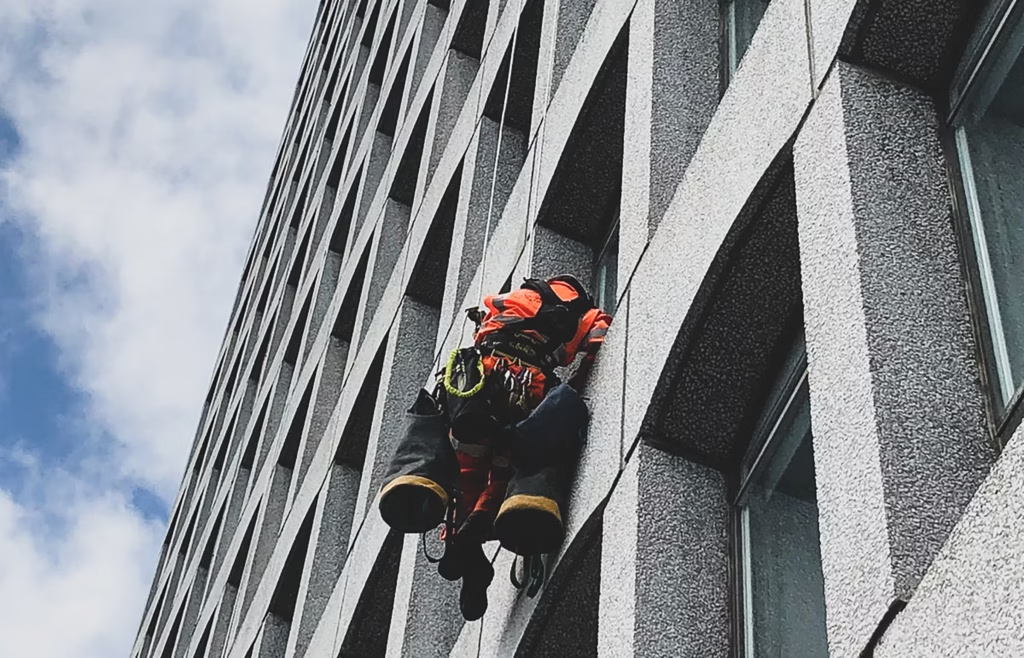
A façade condition survey via rope access allows defects to be inspected, photographed and mapped, helping facilities and asset managers understand what requires immediate attention, what should be monitored and what can be incorporated into planned maintenance.
From Summer Heat to Winter Rain
Building maintenance is often associated with dealing with the immediate effects of bad weather.
But the building envelope defects that causes a winter leak may have started developing months or even years earlier.
This summer’s prolonged high temperatures may have placed additional movement and stress on already ageing roof and façade components. The return of wetter, windier weather could then expose the resulting weaknesses.
That is why the transition between summer, and autumn provides a useful opportunity to inspect the building envelope.
Not every building envelope defect will require major remedial work.
The important thing is understanding:
- What condition the building is in
- Whether anything has changed
- Where vulnerabilities are developing
- Which defects require attention
- What can be monitored
- What preventative work could avoid a reactive repair later
Leak Investigations for Commercial Buildings
A leak does not necessarily tell you where the defect is.
Water entering through a roof detail, façade joint, curtain walling system or glazing interface can travel through the construction before it becomes visible internally.
Treating only the location where water appears can therefore result in repeated patch repairs without resolving the underlying cause.
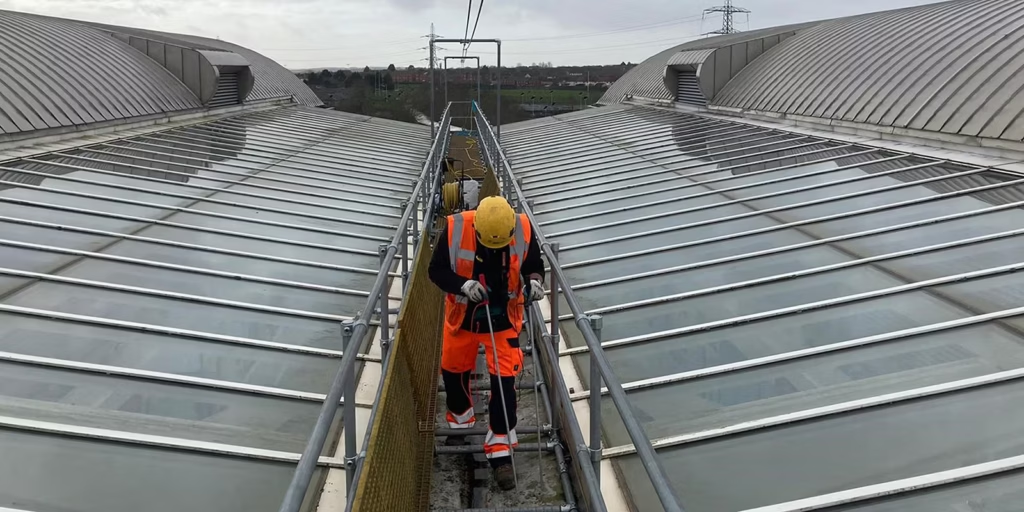
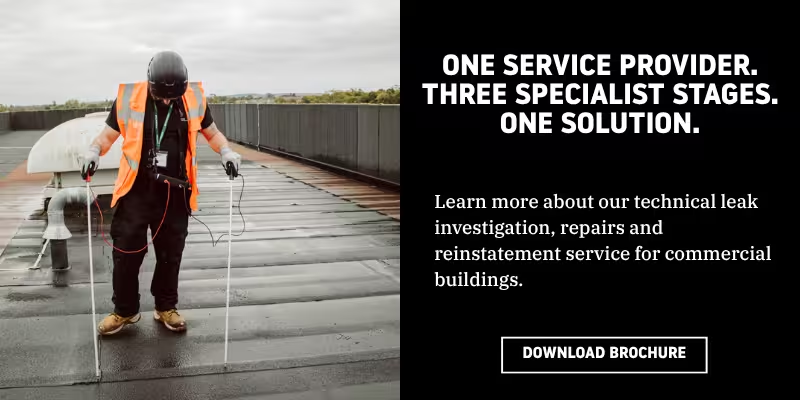
Our approach to leak investigation combines specialist access with appropriate diagnostic techniques to establish where water is entering, how it is travelling and what remedial work is required.
Depending on the building and suspected source, this may include:
- Electronic leak detection
- Thermal imaging and moisture mapping
- Targeted water testing
- Façade and roof inspections
- Borescope investigations
- Digital defect mapping
The objective is not simply to find evidence of water. It is to establish why the building is leaking and what needs to be done to resolve it.
Inspect. Diagnose. Repair. Protect.
At Building Transformation, we provide specialist access-led inspection, investigation, maintenance and repair solutions across roofs, façades, glazing and structures.
Our teams can help you:
- Inspect roofs, façades and other difficult-to-access areas
- Diagnose the underlying cause of leaks and defects
- Repair roofing, façade, glazing and structural defects
- Protect the building through ongoing planned maintenance
After an exceptionally warm, dry summer, and with wetter weather on the horizon, now is a good time to find out whether your building envelope is ready for the change.
Concerned about an area of your building?
Whether you want to check the condition of your building before winter or you are already dealing with building envelope defects or persistent water ingress, speak to our team about the most appropriate next step.