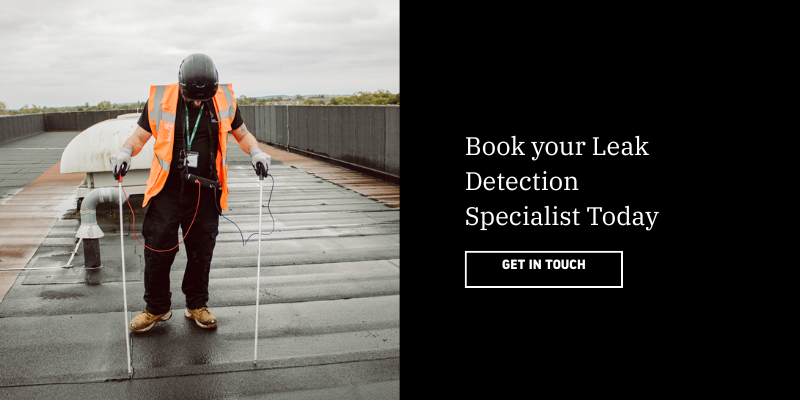
Tracking down water ingress in commercial buildings is rarely as simple as looking directly above a puddle or damp patch. In reality, water can travel considerable distances through cavities, insulation layers, façade systems and structural interfaces before it becomes visible inside a building.
For facility managers, the sudden appearance of a leak can create a sense of urgency. The immediate response is often reactive: buckets under drips, emergency callouts, and temporary patch repairs. Unfortunately, these quick fixes rarely address the underlying issue.
Modern water ingress diagnostic techniques now allow building owners and facilities teams to identify the true source of water ingress, enabling proactive repairs and long-term asset protection rather than repeated reactive maintenance.
At Building Transformation, we specialise in leak detection; identifying and resolving roof and façade leaks across a wide range of commercial environments, from office buildings and listed heritage properties to shopping centres, universities, hospitals, hotels and multi-storey car parks.
Why Water Ingress is Difficult to Diagnose
One of the biggest challenges with water ingress is that the visible symptom is often far from the cause.
Water can migrate through:
-
façade cavities and cladding systems
-
insulation layers within roofs or walls
-
structural joints and movement gaps
-
service penetrations and drainage pathways
For example, water entering a curtain walling system may travel behind mullions and insulation before appearing internally several metres away from the actual entry point. This is why specialist leak investigation methods are essential to identify the true origin of the problem rather than simply repairing visible damage.
Without proper investigation, repairs are often misdirected, leading to repeated leaks, escalating repair costs and operational disruption.
The Most Common Causes of Water Ingress
While every building is unique, there are several recurring causes of water ingress across commercial properties.
1. Roof Membrane Failure
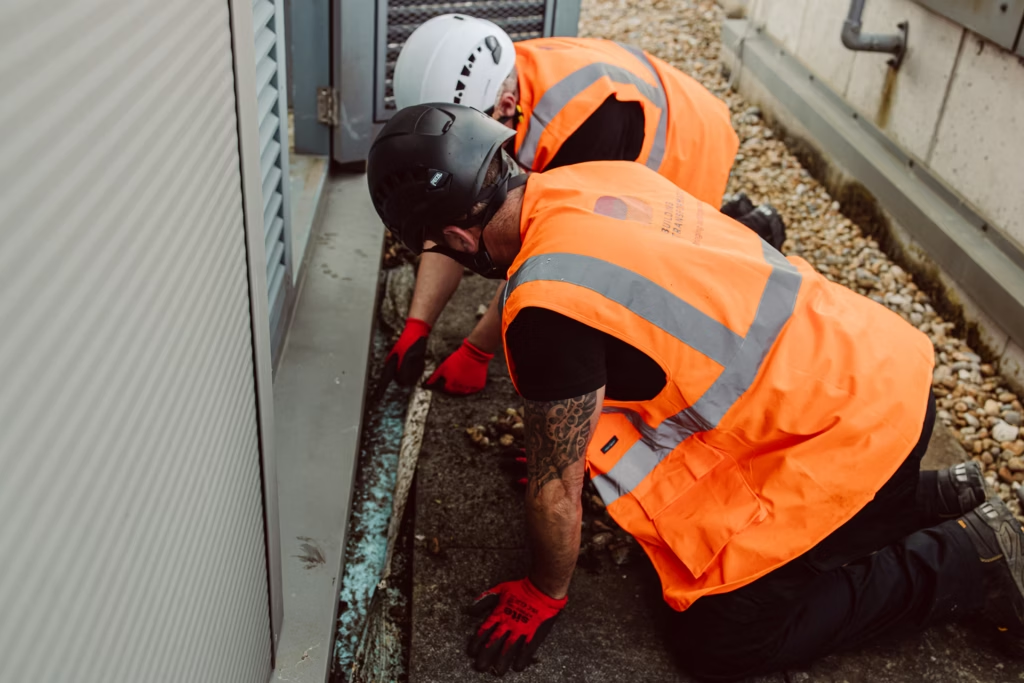
Flat roofs and membrane systems are designed to provide a continuous waterproof barrier. However, over time, membranes can deteriorate due to:
-
UV exposure
-
thermal expansion and contraction
-
mechanical damage from foot traffic
-
poor installation or detailing
Even small punctures or seam failures can allow water to penetrate beneath the membrane and spread across insulation layers before appearing inside the building.
Specialist testing methods, such as electronic leak detection and integrity testing, can identify these hidden defects with high accuracy.
2. Failed Sealants and Joints
Sealants are critical components of a building envelope. They are typically used around:
-
glazing systems
-
façade panels
-
expansion joints
-
roof penetrations
-
window and door frames
Sealants degrade naturally over time due to weathering, UV exposure and structural movement. Once these seals fail, water can enter the façade or roof system and travel unseen through internal cavities.
Regular inspection and replacement of ageing sealants is a key preventative measure.
3. Blocked or Defective Drainage Systems
Drainage systems play a crucial role in directing water safely away from the building envelope.
Common drainage-related problems include:
-
blocked gutters and downpipes
-
poorly designed rainwater outlets
-
damaged drainage components
-
debris build-up preventing proper water flow
When drainage systems fail, water can accumulate on roofs and façades, eventually finding its way into the building structure.
Regular gutter and outlet maintenance is one of the simplest yet most effective ways to prevent water ingress.
4. Façade System Defects
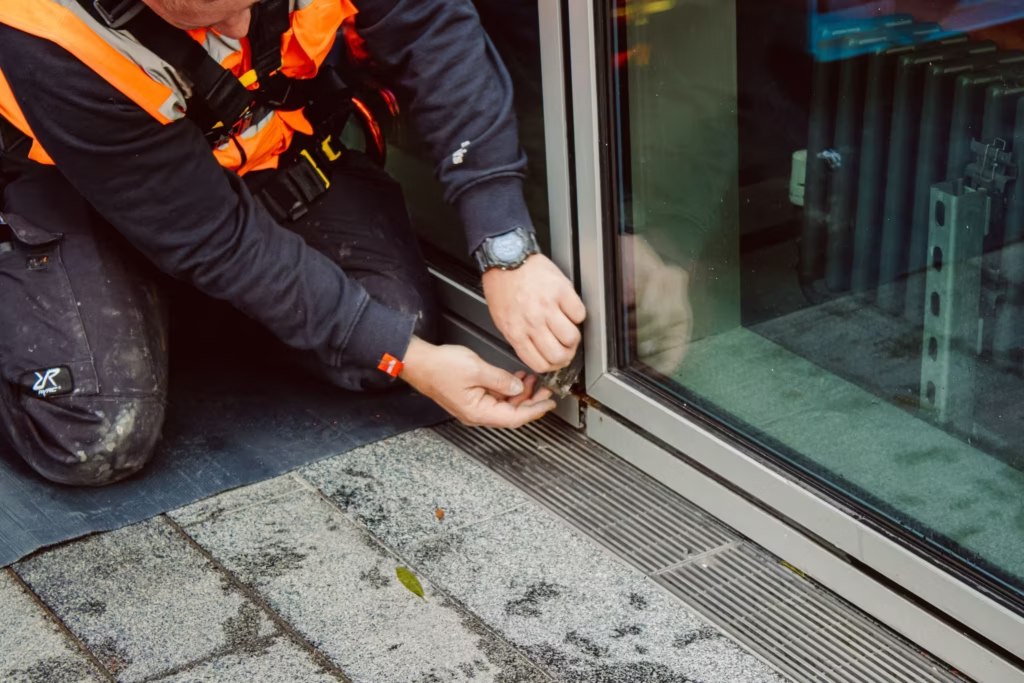
Modern façades — particularly curtain walling and cladding systems — rely on precise engineering and correct installation to remain watertight.
Potential failure points include:
-
deteriorated gaskets
-
failed façade sealants
-
poorly installed cladding panels
-
movement joints that have opened over time
-
corrosion of internal metal components
Even minor façade defects can allow water into the building envelope, where it may cause corrosion, insulation failure or deterioration of fire barriers if left unresolved.
5. Structural Movement and Building Settlement
All buildings move slightly throughout their lifecycle due to factors such as:
-
thermal expansion
-
wind loads
-
structural settlement
-
vibration from nearby activity
Over time, these movements can create gaps in joints, loosen fixings or cause cracking in masonry and façade panels, providing new pathways for water ingress.
Advanced Techniques for Leak Detection
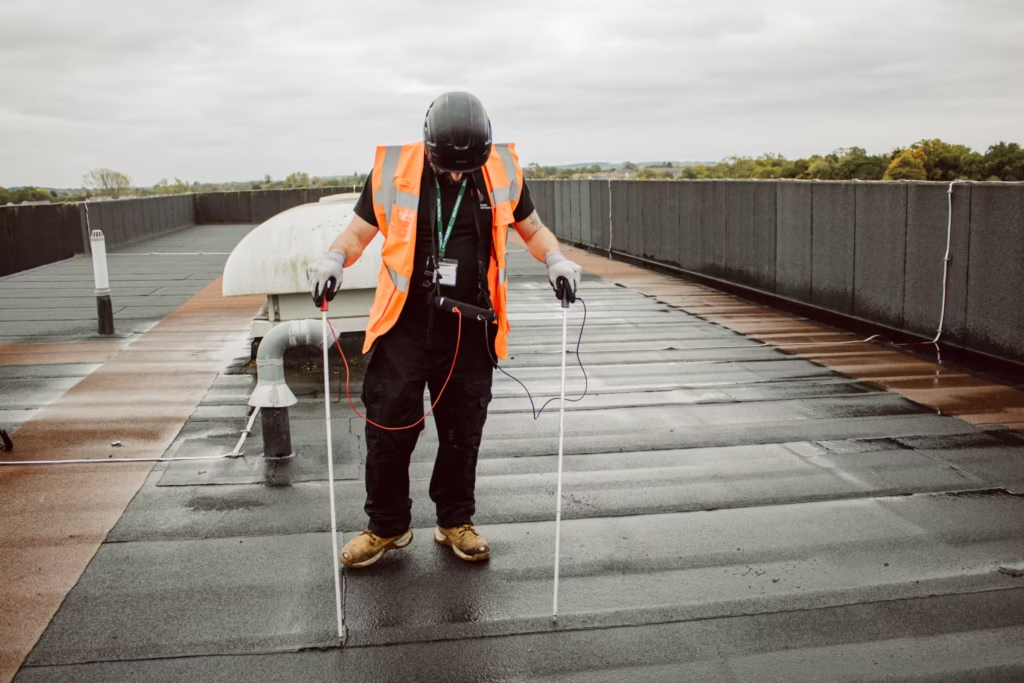
At Building Transformation, our teams combine specialist access methods with advanced diagnostic technologies to accurately locate water ingress.
Our testing methods include:
-
Electronic leak integrity testing of roof membranes
-
Moisture mapping surveys
-
Thermographic imaging of the building envelope
-
Spray bar testing for façade water tightness
-
Endoscopic and borescope investigations
-
Controlled water testing and chemical tracing
These methods allow us to isolate the source of leaks while minimising disruption to building operations.
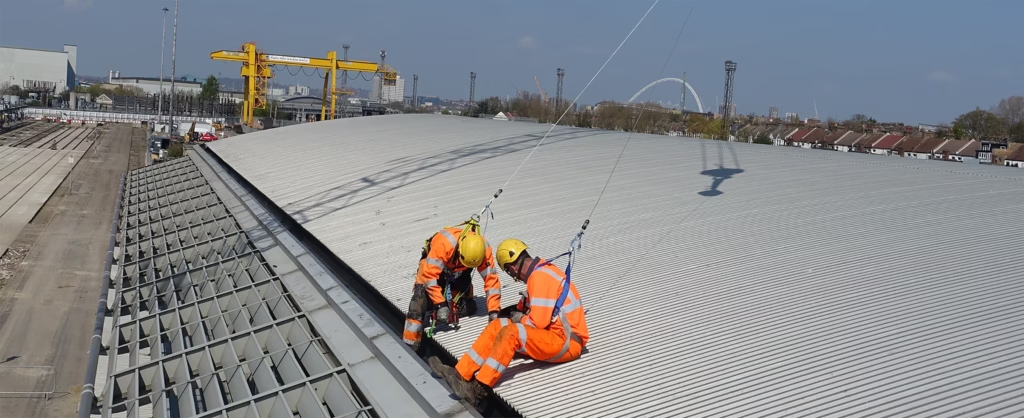
In complex structures — particularly high-rise buildings — our teams utilise specialist access methods including rope access, MEWPs and cradles to inspect areas that would otherwise be inaccessible.
The Importance of Proper Leak Investigation
Roof leaks and façade failures are often misdiagnosed. In many cases, contractors attempt repairs based solely on visible symptoms, which can result in repeated failures and escalating costs.
A structured leak investigation provides:
-
clear identification of the root cause
-
photographic and technical documentation
-
targeted repair recommendations
-
a long-term maintenance strategy
Investigation first ensures that repairs address the underlying issue rather than simply masking the symptoms.
Preventing Water Ingress: Practical Steps for Facility Managers
Proactive maintenance remains the most effective strategy for preventing water ingress.
Facility managers should consider implementing the following measures:
-
Maintain a clean roof and remove debris regularly
-
Train maintenance personnel on the specific roof system installed
-
Monitor drainage systems and ensure outlets remain clear
-
Restrict roof access to authorised personnel only
-
Conduct a formal roof and façade inspection annually
Routine inspections can identify minor defects early — before they develop into costly structural issues.
Supporting Commercial Property Owners
At Building Transformation, we support building owners, surveyors and facility managers with specialist roof and façade testing, inspections and repair programmes.
Our services include:
-
Roof, gutter and façade leak detection investigations
-
Electronic leak integrity testing of roof membranes
-
Moisture mapping and vacuum dewatering solutions
-
Thermographic surveys for the full building envelope
-
Endoscopic camera and borescope surveys
-
Roofing repairs, recoating and replacement
-
Façade stabilisation, re-fixing and sealing
-
Planned and reactive roof maintenance
-
Detailed technical reporting
Our teams specialise in surveying, repairing and maintaining tall and difficult-to-access commercial buildings, including façades, roofs, glazing systems and atriums.
Protecting Your Building for the Long Term
As commercial buildings become more complex and architectural design continues to evolve, the need for specialist inspection and maintenance becomes even more important.
From high-rise glass façades to historic masonry structures, every building requires a tailored approach to ensure long-term performance and safety.
Through advanced testing, specialist access and technical expertise, Building Transformation provides building owners with a clear understanding of their building envelope — enabling them to manage risks, prioritise repairs and extend the life of their assets.
If you suspect water ingress or require a roof or façade condition survey, get in touch with Building Transformation to discuss your project.