Brick is one of the most durable construction materials available, but it is also highly porous and sensitive to improper cleaning methods. Without the right approach, even minor cleaning work can lead to long-term structural damage.
Professional brick cleaning services are essential not only for improving appearance but also for preserving the integrity of your building. Whether you’re dealing with years of atmospheric soiling or require paint removal from brickwork, using the correct techniques is critical.
Why Brick Cleaning Requires Specialist Knowledge
Although brick appears robust, its porous nature means it can absorb moisture rapidly if the surface is damaged. Once this protective outer layer is compromised, the brick becomes vulnerable to:
-
Frost damage
-
Cracking and spalling
-
Accelerated decay
Additionally, traditional mortar—often made from lime and sand—is typically softer than the brick itself, making it even more susceptible to damage during cleaning.
A professional assessment ensures:
-
Correct cleaning method selection
-
Safe pressure levels
-
Appropriate chemical use
-
Preservation of both brick and mortar
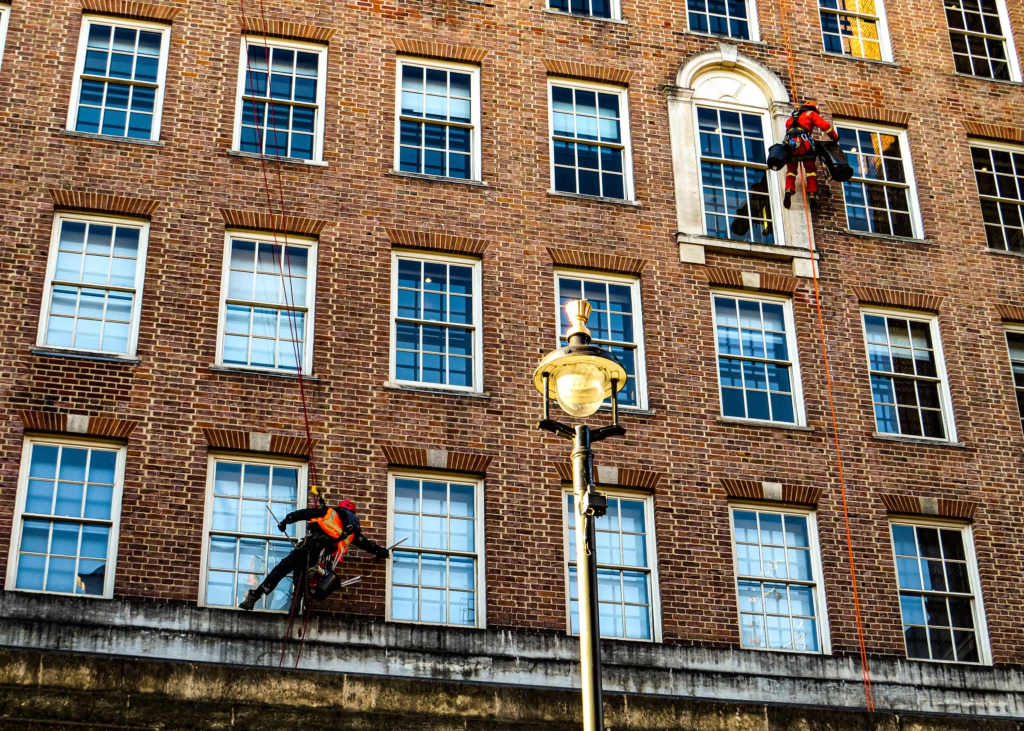
Common Mistakes to Avoid When Cleaning Brickwork
1. Using Wire Brushes or Power Tools
Wire brushes, wool pads, and abrasive discs can strip away the brick’s protective surface, reducing water resistance and causing long-term deterioration.
2. Applying Hydrochloric or Acid-Based Cleaners
Acid cleaning can:
-
Dissolve the outer face of the brick
-
Damage mortar joints
-
Create a pitted surface that attracts moisture
This often leads to ongoing repair costs and structural issues.
3. High-Pressure Power Washing
Excessive pressure can:
-
Erode brick faces
-
Weaken mortar joints
-
Cause hidden damage that appears years later
Even when pressure washing is used, it must be carefully controlled—typically within low-pressure or soft-wash ranges.
Safe and Effective Brick Cleaning Methods
Steam Cleaning (Recommended)
Steam cleaning is one of the most effective and safest brick-cleaning methods available.
Benefits include:
-
Low pressure, reducing risk of damage
-
Effective removal of dirt, paint, and biological growth
-
Ideal for heritage and older properties
-
Minimal saturation of the brickwork
This method is particularly suitable for paint removal from brickwork, where preserving the original surface is essential.
Controlled Chemical Cleaning
For stubborn, non-water-soluble staining, carefully selected low-strength chemical treatments may be required.
Best practice includes:
-
Applying chemicals directly and precisely
-
Allowing appropriate dwell time
-
Rinsing with low-pressure water
Incorrect chemical use can permanently damage brickwork, so this process should always be handled by specialists.
Specialist Abrasive Techniques (When Necessary)
In some cases, light abrasive cleaning may be used—but only under expert control.
Improper abrasive cleaning can:
-
Permanently scar brick surfaces
-
Increase porosity
-
Lead to costly restoration work
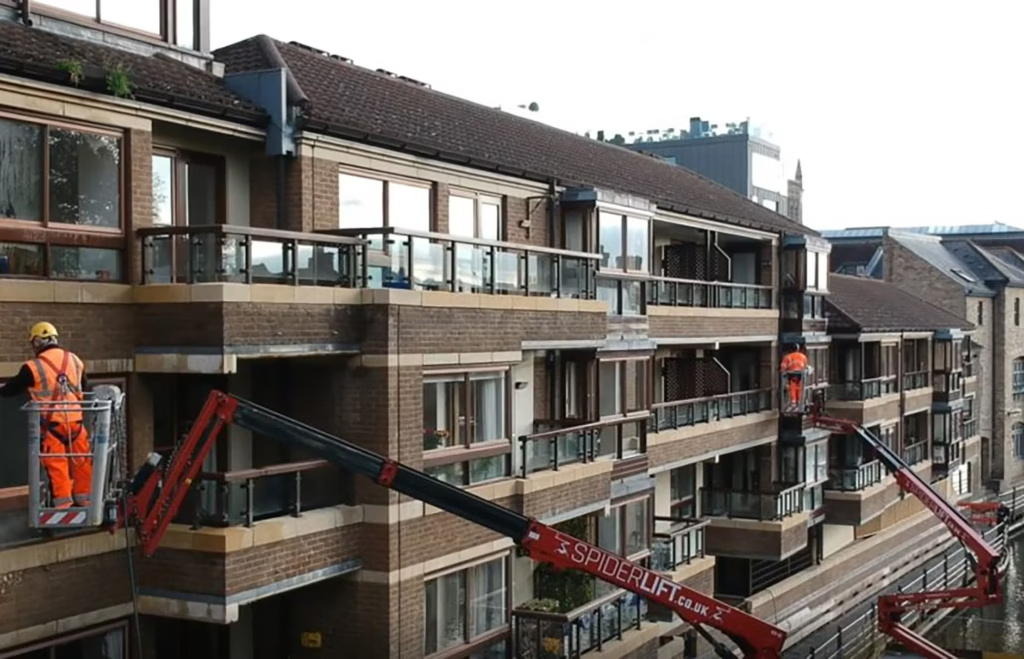
Paint Removal From Brickwork: Why It Requires Care
Removing paint from brick is particularly challenging because:
-
Paint often traps moisture within the brick
-
Incorrect removal methods can damage the surface
-
Aggressive techniques may worsen the problem
Professional paint removal from brickwork typically involves:
-
Steam-based systems
-
Carefully selected chemical poultices
-
Low-impact, non-abrasive techniques
The goal is to remove coatings without harming the underlying brick.
Special Considerations: Older Brickwork & Terracotta
Older and heritage buildings require an even more cautious approach.
Key factors include:
-
Increased porosity in aged bricks
-
Softer, lime-based mortars
-
Surface weathering and biological growth
-
Presence of architectural terracotta
Terracotta, in particular, is highly sensitive:
-
Abrasive or mechanical cleaning can cause irreversible damage
-
Acid or alkaline cleaners are unsuitable
-
Specialist chemical methods are often required
The Importance of a Professional Assessment
Every building is different. Before any cleaning begins, a professional brick cleaning service provider will assess:
-
Type and condition of brickwork
-
Mortar composition
-
Level and type of soiling
-
Presence of paint or coatings
-
Environmental exposure and weathering
This ensures the chosen method is both effective and non-destructive.
Restore and Protect Your Brickwork
Proper cleaning does more than improve appearance—it helps:
-
Extend the lifespan of your brickwork
-
Prevent costly repairs
-
Maintain structural integrity
-
Reveal hidden defects early
Whether you require routine maintenance or paint removal from brickwork, using experienced professionals ensures the job is completed safely and to a high standard.
Speak to Brick Cleaning Specialists
We provide expert brick cleaning services, including sensitive façade cleaning, restoration, and paint removal from brickwork for residential and commercial properties.
Our team specialises in:
-
Difficult-to-access buildings
-
Heritage and period properties
-
Façade, roof, and structural cleaning
Get in touch to discuss your project and receive tailored advice.