Listed building maintenance requires a careful and informed approach. Unlike standard buildings, repair and maintenance works are subject to strict regulations designed to protect their historic fabric.
If proposed works affect a building’s special architectural or historic interest, Listed Building Consent must be obtained from the local planning authority. This consent is often required alongside standard planning permissions that would apply to any construction work.
Although these regulations may appear restrictive, they are essential in ensuring historic buildings are protected from inappropriate alterations or damage.
Before undertaking any repair or restoration work, building owners should consult with the local planning authority and conservation officers to determine whether permission is required.
When repairs are undertaken, they must:
- Be necessary to preserve the building’s structure and heritage value
- Respect the original materials and construction techniques
- Maintain the building’s external appearance and historic character
A conservation-led approach ensures that any intervention supports the long-term preservation of the building.
Roof and Gutter Repairs on Heritage Properties
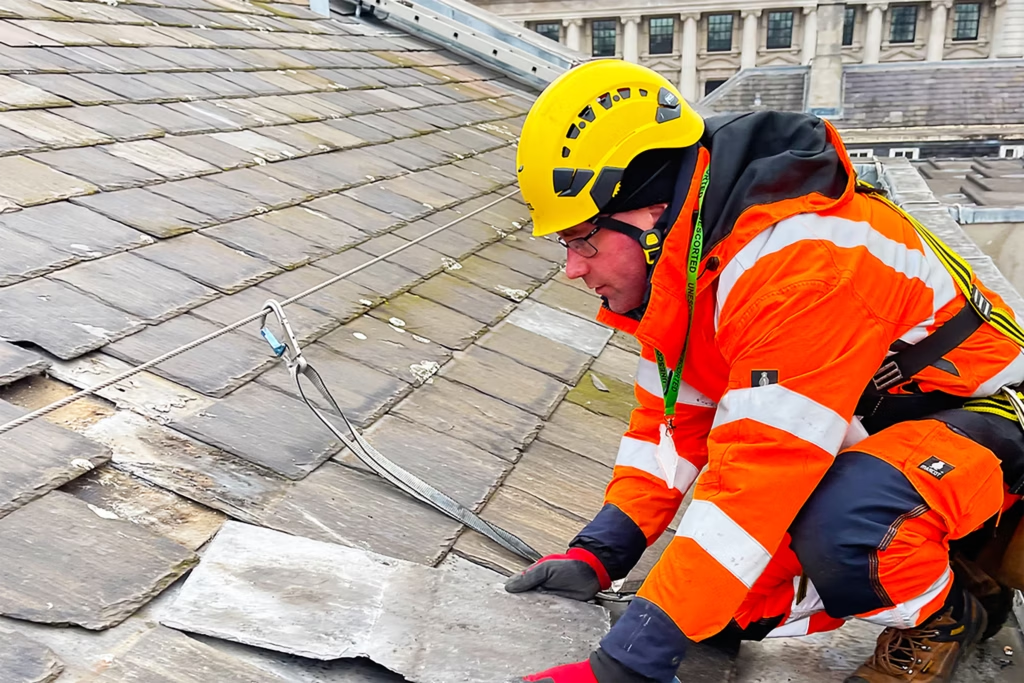
Roof structures and drainage systems are among the most vulnerable components of historic buildings. Exposure to weather, environmental pollutants and seasonal changes can lead to deterioration if not properly maintained.
Repairing roofs on listed buildings requires careful planning to ensure compliance with conservation regulations and building legislation. Failure to follow these requirements can lead to significant penalties and may cause irreversible damage to the building fabric.
Traditional Roofing Materials
Historic roofs are typically constructed using traditional materials such as:
- Natural slate
- Clay tiles
- Thatch
When repairs are required, like-for-like materials should be used wherever possible to maintain the building’s historic authenticity. We have meticulously designed a bespoke cleaning and restoration system that responds to planning regulations and the historical essence of a property. Our methods of cleaning are regularly reviewed and enhanced, as well as being aligned to the BS 8221-1:2012 standards.
Roof maintenance is critical for identifying issues such as:
- Slipped or broken tiles
- Damaged lead flashing
- Structural weaknesses
- Water ingress and leaks
Early intervention prevents minor issues from escalating into major structural problems.
Preserving Historic Roof Features
External roof features such as chimneys, ridge details, finials and decorative elements contribute significantly to the building’s character. Any repairs to these features should use compatible materials and traditional techniques wherever possible.
Changes to materials or structural elements may require approval from the local planning authority.
Drainage and Guttering Systems
Gutters and downpipes play a crucial role in protecting historic buildings from water damage.
Many listed buildings feature cast iron drainage systems, which are durable and historically appropriate. When replacement is required, heavy-duty cast iron is generally recommended rather than lightweight modern alternatives such as plastic.
Plastic systems:
- Are more susceptible to damage
- Have a shorter lifespan
- Can detract from the historic character of the building
Blocked or poorly maintained gutters can cause water to overflow onto the building façade, leading to:
- Damp penetration
- Masonry deterioration
- Salt deposits and staining
Regular inspection and maintenance programmes are therefore essential to protect the building envelope.
Restoration of Historic Façades
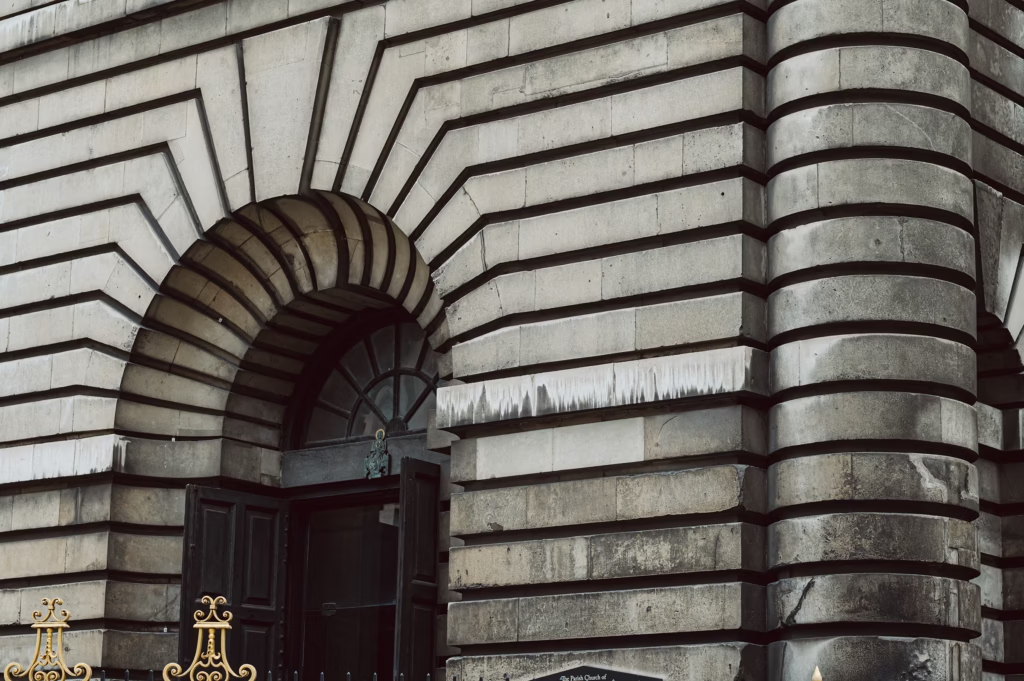
Historic façades are continuously exposed to environmental factors such as pollution, weathering and biological growth. Over time, this can result in:
- Carbon staining from pollution
- Mildew and organic growth
- Efflorescence caused by salt deposits
- Surface erosion of stone or brick
Façade cleaning and restoration should always be carried out by specialist conservation experts who understand the behaviour of traditional materials.
Before work begins, it is essential to ensure:
- All relevant planning permissions and listed building consents have been obtained
- Cleaning methods comply with conservation guidance and relevant BS standards
- Appropriate cleaning trials are undertaken to determine the safest method
Conservation Façade Cleaning
Conservation façade cleaning focuses on minimal intervention to protect the original building fabric.
Rather than aggressive cleaning methods, specialists use sympathetic techniques tailored to the building materials. These may include:
- Low-pressure steam cleaning for listed buildings
- Hot water cleaning systems
- Low-pressure washing techniques
These approaches allow contaminants to be removed while protecting the masonry and preserving the building’s historic appearance.
Specialist access systems such as rope access, scaffolding or MEWPs are often used to safely reach difficult façade areas while minimising disruption to surrounding environments.
Extensions and Minor Repairs
Extensions to listed buildings can be permitted, provided they are designed in consultation with conservation specialists and planning authorities.
Key considerations include:
- Extensions should not dominate the historic building
- They should be sympathetic to the original design
- Rear extensions are generally more acceptable than front-facing additions
Contemporary extensions are often deliberately minimalist so that the historic structure remains the focal point.
Minor repairs may not require listed building consent, but this varies depending on the nature of the work. Even like-for-like repairs may require approval if they affect historically significant materials or architectural elements.
For this reason, it is always advisable to consult with a local conservation officer before undertaking repair work.
Your Service Partner for Maintaining Listed Buildings
Maintaining historic buildings requires specialist knowledge, careful planning and an understanding of conservation best practices.
Building Transformation provides long-term façade restoration and maintenance solutions designed to protect historic structures for generations to come.
Through detailed façade condition surveys, cleaning test trials and conservation-led repair strategies, we ensure masonry cleaning and restoration work is carried out safely and effectively.
By working in alignment with the conservation principles promoted by Historic England, our team helps ensure that listed buildings continue to thrive in the 21st century.
If you are responsible for a listed building and require specialist advice on façade cleaning, restoration or maintenance, contact Building Transformation to arrange a consultation with our conservation specialists.