As part of our long-standing partnership with Savills Property Managers, we continue to support the team at Moor House through the delivery of a structured, planned façade maintenance programme.
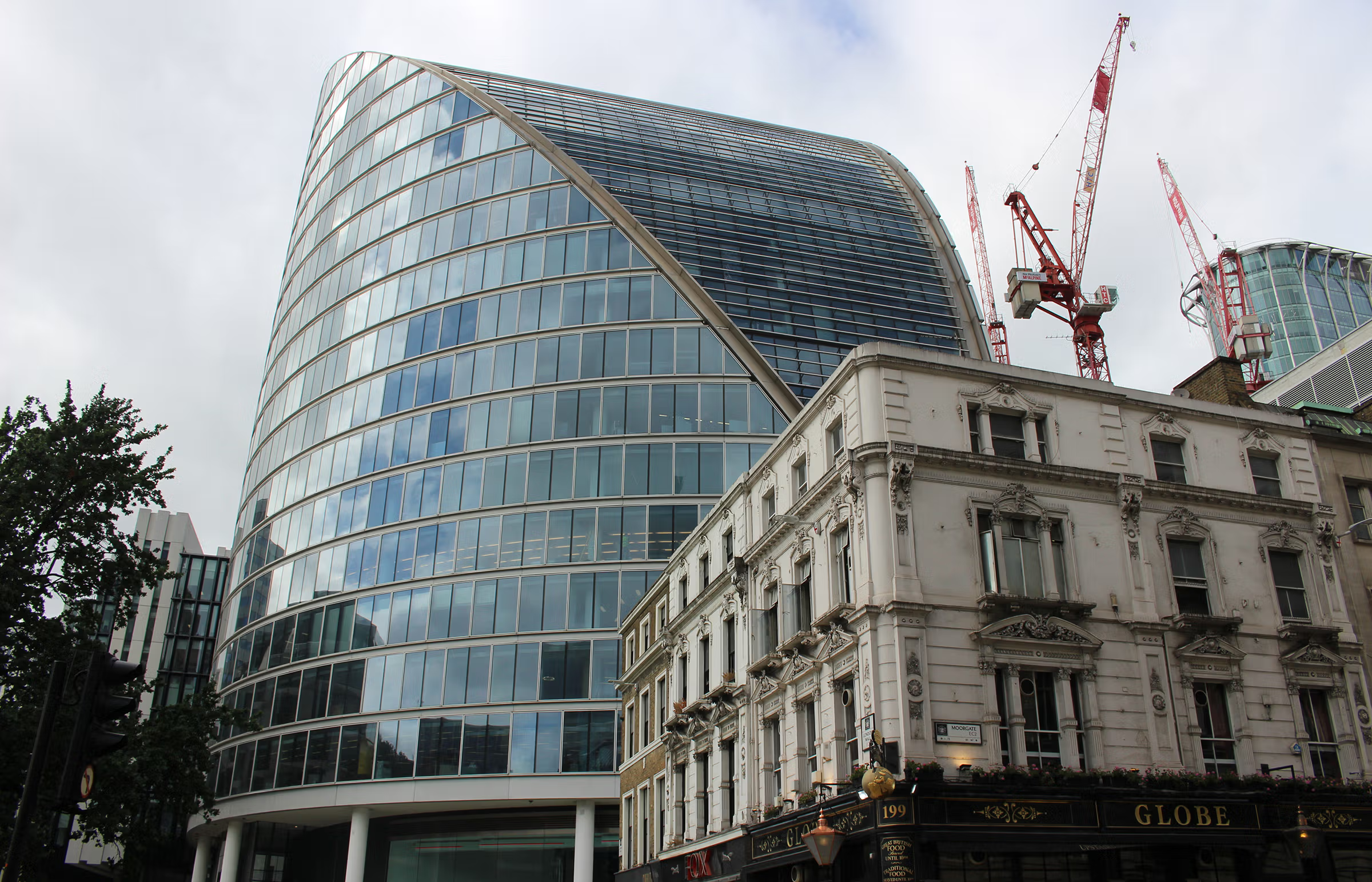
Moor House is an iconic commercial building located at 120 London Wall in the heart of the City of London. Standing at 84 metres tall and comprising approximately 29,000m² of prime office space, the building is characterised by its distinctive combination of flat and curved glazed façades, formed from glass, stainless steel and aluminium. Its prominence within the Moorgate skyline, and proximity to Moorgate Station, makes façade condition and presentation a critical consideration.
A Proactive Approach to Planned Façade Maintenance
Following earlier refurbishment and reactive repair works, our role has transitioned into a long-term maintenance partner, delivering a fully integrated planned façade maintenance programme.
With over six years of continuous involvement at Moor House, we have developed an in-depth understanding of the façade systems, allowing us to implement a data-driven planned maintenance approach that reduces risk, controls costs and extends asset lifespan.
The programme includes:
- Quarterly planned façade maintenance inspections, rotating across all elevations annually
- Early identification of defects to minimise reactive intervention
- Ongoing condition monitoring and lifecycle planning
- Integration of minor repairs within each maintenance visit
This planned approach ensures the façade is maintained systematically, rather than reactively, supporting long-term asset performance.
Each visit typically ranges from 3–8 days per elevation, forming a total annual programme of approximately 24 operational days.
This structured approach ensures that defects are identified early, reducing the need for large-scale reactive works and maintaining the building’s visual and functional performance.
Planned Façade Maintenance Scope
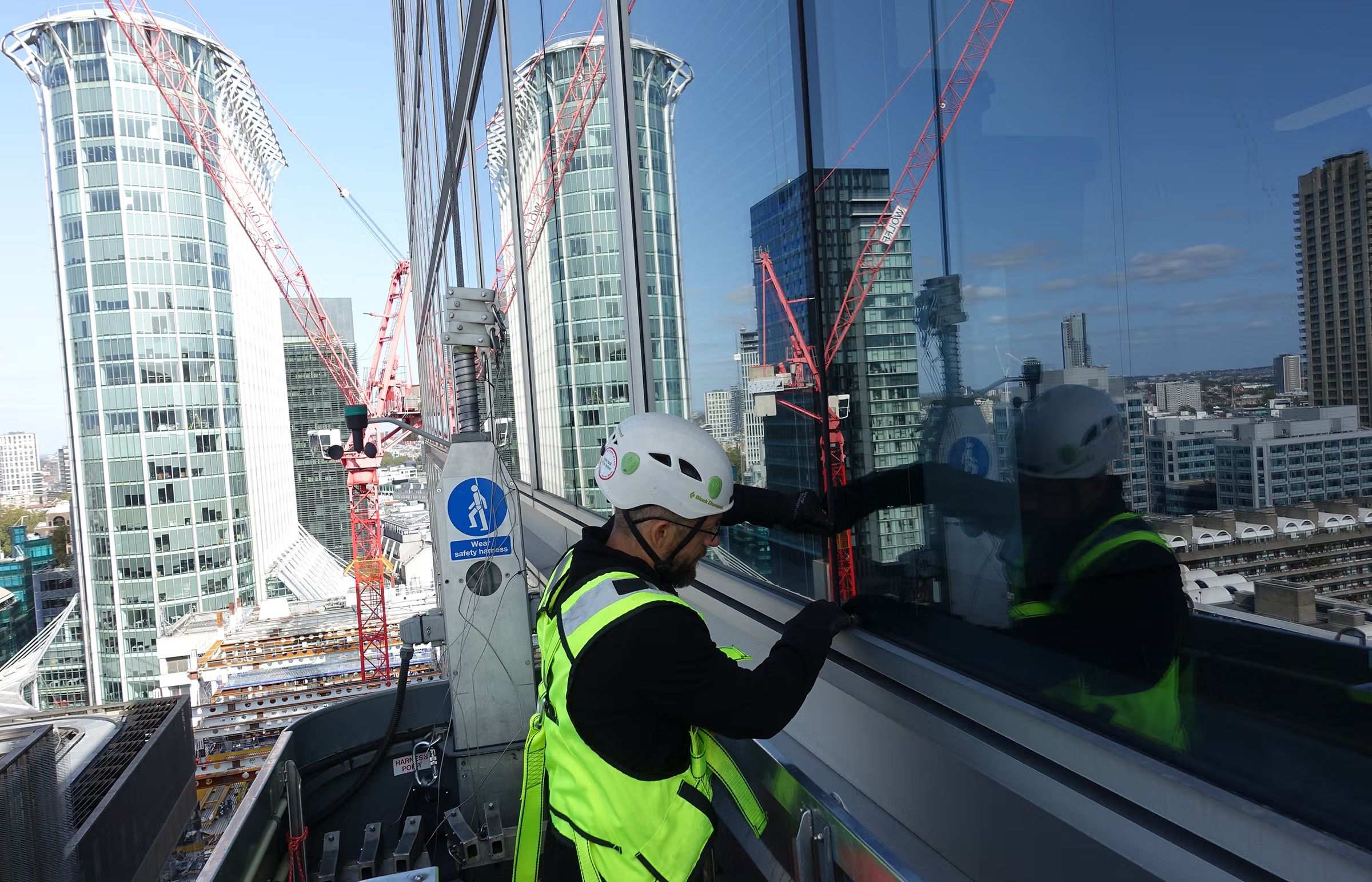
Each planned façade maintenance visit includes a combination of inspection, maintenance and reporting activities:
- Inspection of façade fixings and system integrity
- Identification and logging of cracked or defective glazing
- Inspection, adjustment and minor repair of sealants and gaskets
- Stabilisation of loose façade elements, including cappings
- Visual corrosion inspections across façade materials
- Localised cleaning to address façade soiling and staining
- Investigation of minor water ingress issues where accessible
All defects are digitally recorded, enabling ongoing façade condition tracking and supporting future planned works.
The programme delivers four planned façade maintenance visits per year, with each elevation inspected in rotation, forming a structured annual cycle.
Planned Maintenance Delivery Strategy
Delivering planned façade maintenance at Moor House requires a consistent, safety-led methodology aligned with building operations.
Key delivery principles include:
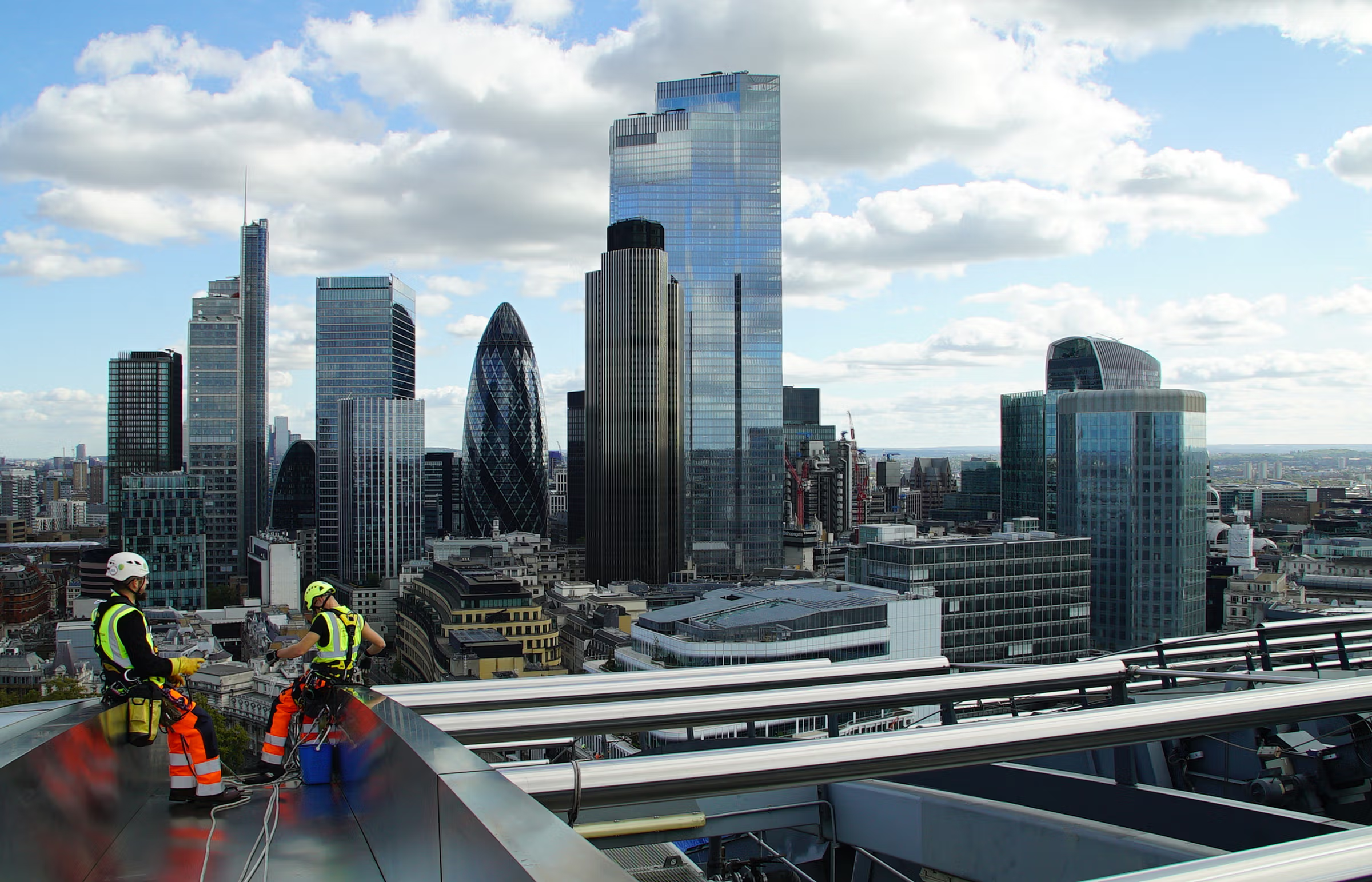
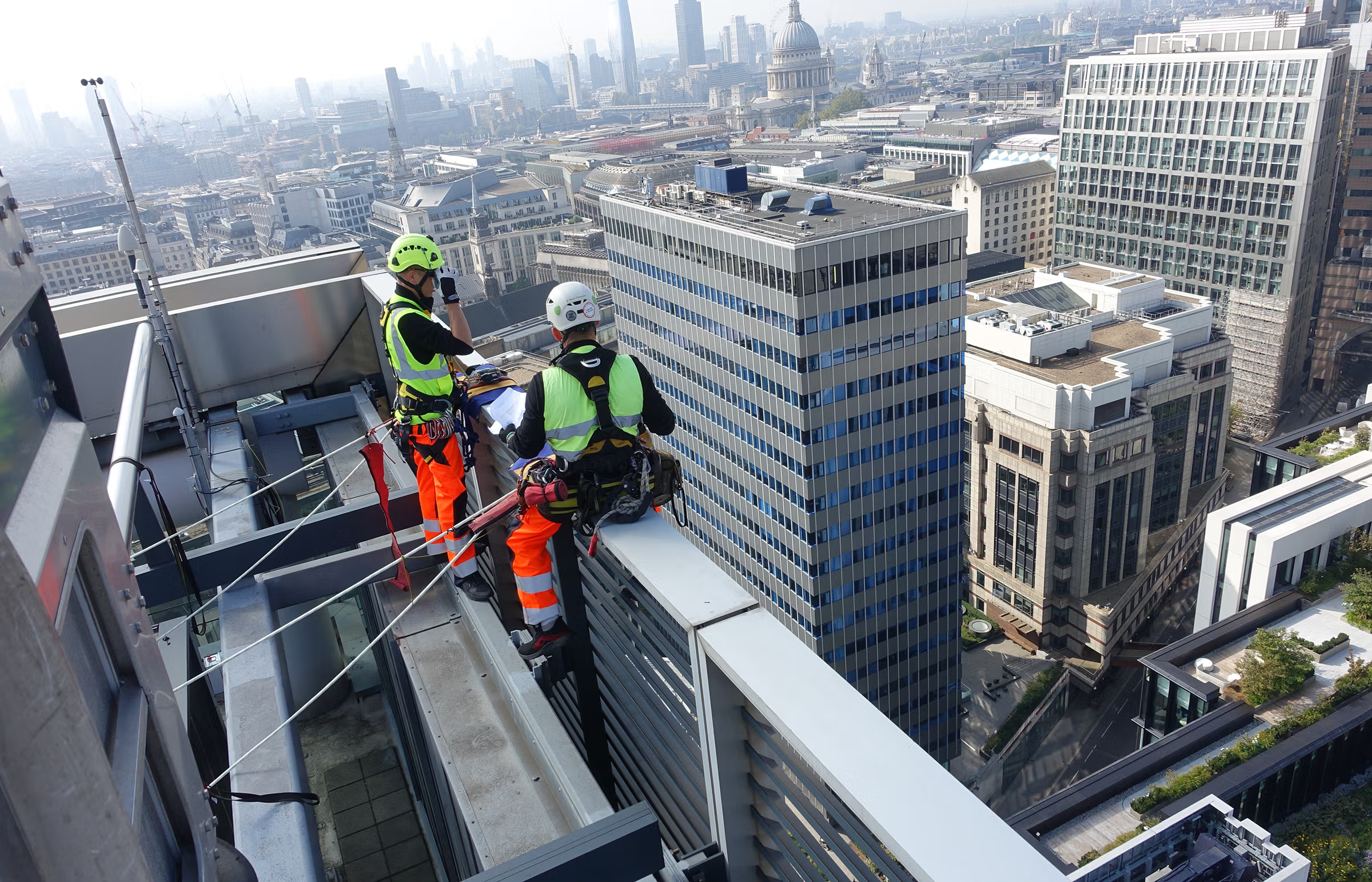
- Use of Building Maintenance Units (BMU) and rope access to safely execute planned façade maintenance works at height
- Establishment of controlled exclusion zones to protect the public and occupants
- Careful coordination within a live, multi-tenant commercial environment
- Planned access routes and logistics to minimise disruption
- Real-time defect logging and reporting to inform future maintenance cycles
This structured delivery model ensures that planned façade maintenance activities are carried out efficiently, safely and with minimal operational impact.

Challenges in Planned Façade Maintenance
The delivery of planned façade maintenance at Moor House involves several technical and operational challenges:
- Complex façade geometry requiring adaptable access solutions
- High-traffic City of London location with significant public interface
- Fully occupied building requiring sensitive planning and coordination
- Ageing façade elements requiring continuous monitoring and targeted maintenance
Through a consistent planned maintenance presence and detailed knowledge of the building, these challenges are effectively mitigated.
Outcomes of Planned Façade Maintenance
The implementation of a robust planned façade maintenance programme has delivered clear benefits:
- Reduction in reactive and emergency façade repairs
- Improved façade condition and long-term performance
- Enhanced visual appearance of the building
- Greater cost certainty through planned maintenance budgeting
- Extended service life of façade components
By prioritising planned façade maintenance, Moor House continues to operate as a high-performing and visually prominent commercial asset.
Our Role in Planned Façade Maintenance
Building Transformation provides a fully integrated planned façade maintenance service, including:
- Scheduled façade inspections and maintenance
- Digital defect tracking and reporting
- Minor repairs integrated within planned visits
- Strategic advice to inform future façade works
Our long-term involvement ensures that planned façade maintenance at Moor House is not only reactive to current conditions, but also proactive in anticipating future requirements.